Wondering if Closter feels like a quiet suburb, a commuter town, or a place with a little more character than both? The answer is that it blends those qualities in a way that stands out in Bergen County. If you are exploring where to live in northern New Jersey, Closter offers a mix of history, everyday convenience, outdoor space, and neighborhood variety that is easy to appreciate. Let’s dive in.
Closter at a Glance
Closter is a borough in Bergen County with a reputation for being wooded, established, and commuter-friendly. According to the Closter Public Schools community overview, the borough was first settled by Dutch immigrants in the early 1700s and later developed into a commuter town with many residents traveling to New York City for work.
That history still shapes how the town feels today. Closter comes across as a place with an older center, a strong local identity, and daily life that revolves around both convenience and community.
A Town With Historic Roots
One of the first things you may notice about Closter is that it does not feel like a one-era suburb. The borough has layers of history, from early settlement patterns to railroad-era growth and later residential development.
The Closter history resources note that residents can walk to the old Closter City train depot, which helps explain why the town still feels connected to a recognizable center. Instead of feeling built all at once, Closter has a more established, lived-in rhythm.
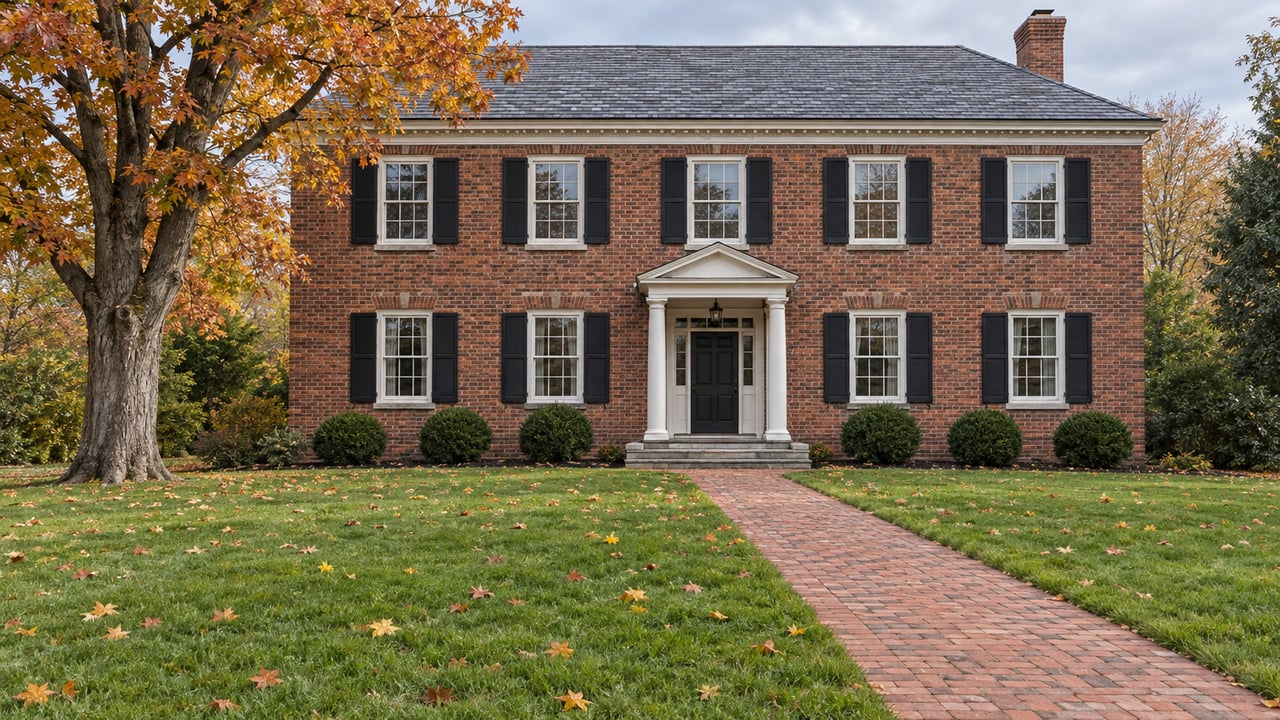
That sense of continuity shows up in the homes too. The borough’s preservation materials describe a wide range of architectural styles, including early frame houses, Federal, Greek Revival, Victorian, Colonial Revival, Dutch Colonial Revival, Tudor Revival, Ranch, and later contemporary homes on older streets. You can explore more through the historic preservation overview and the borough’s historic sites list.
Everyday Life Feels Convenient
For many buyers, lifestyle comes down to how easy daily errands feel. In Closter, a big part of that convenience is centered around Closter Plaza on Vervalen Street.
According to EDENS, Closter Plaza is a shopping and dining destination with a range of retailers, restaurants, and service businesses. The current mix includes places like Bareburger, Brasserie Memere, Chipotle, HomeGoods, J.Crew Factory, Gary’s Wine & Marketplace, and the Closter Performing Arts Center, while Whole Foods Market confirms its Closter location at 45 Vervalen Street.
That gives you a practical daily hub for groceries, casual dining, shopping, and errands. In many Bergen County towns, convenience means leaving town for several stops. In Closter, much of that routine can be handled in one central area.
There is also a more local-food side to town life. Closter Farm on Closter Dock Road operates a daily farm stand and hosts on-farm events, which adds another layer to the town’s everyday appeal.
Parks and Outdoor Space Matter Here
If you enjoy having options for outdoor time close to home, Closter offers more than a basic neighborhood park system. Recreation and open space are a visible part of the borough’s lifestyle.
The Closter Recreation parks and fields page lists four parks: Memorial Park, Ruckman Park, Mollicone Park, and Schauble Park. Memorial Park serves as the main recreation hub, with sports fields as well as summer camp, concerts, the Labor Day celebration, and the Memorial Day parade.
Ruckman Park adds a tennis court, roller rink, playground, picnic area, and walking or jogging track. Mollicone and Schauble provide additional field and neighborhood recreation space, giving residents several options across town.
For a quieter outdoor experience, the Closter Nature Center is one of the borough’s standout amenities. It includes 136 acres of ponds, brooks, meadows, and forests, plus more than 3 miles of hiking trails with free public access from dawn to dusk year-round.
That kind of natural space can make a real difference in day-to-day life. It gives you room to walk, explore, and unplug without needing to leave town.
Community Life Stays Active
Closter is not just a place where people live and commute. Local boards, arts programming, and public events suggest a borough where community life stays active throughout the year.
The borough’s boards and commissions page includes groups such as the Environmental Commission, Historic Preservation Commission, Mayor’s Committee for the Arts, Recreation Commission, Planning Board, and Shade Tree Commission. That range points to a town that puts real structure behind civic life.
Arts and culture also have a visible place here. The school district notes the Belskie Museum as a local institution, and the museum is located at 280 High Street. Closter Performing Arts is located at 87 Vervalen Street, and the borough’s arts programming has included a summer concert series at Closter Plaza, according to the community overview from Closter Public Schools.
For many buyers, those details matter because they help create a stronger sense of place. Closter feels more engaged and community-oriented than a suburb where everything happens behind closed doors.
Schools and Family Routines
If your move involves school-age children, it helps to understand how the local public school structure works. According to the Closter Public Schools schools page, the district serves pre-kindergarten through fourth grade at Hillside Elementary School and grades five through eight at Tenakill Middle School.
The district also highlights parent groups and family activities as part of school culture. While every household will have its own priorities, this setup can be helpful if you want a clear picture of how the elementary and middle school years are organized locally.
Housing Has Variety and Character
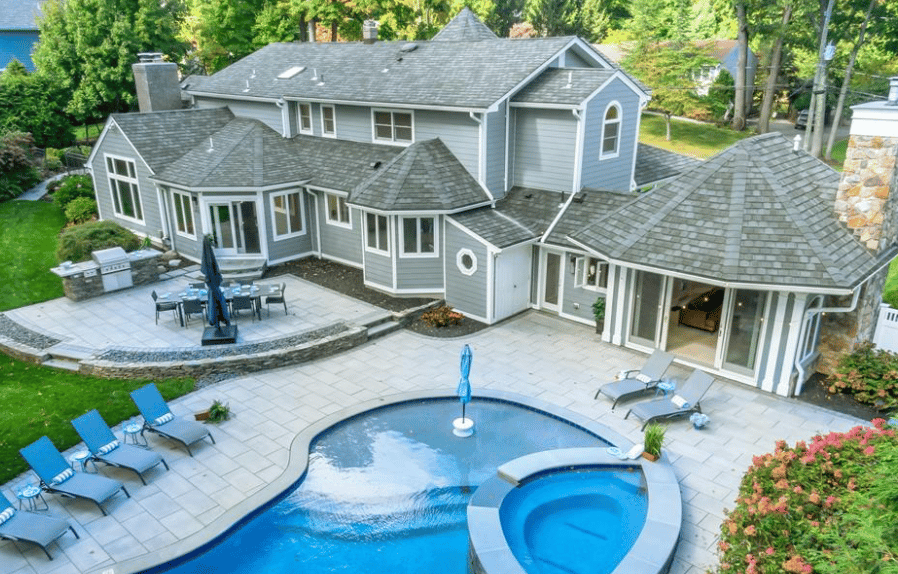
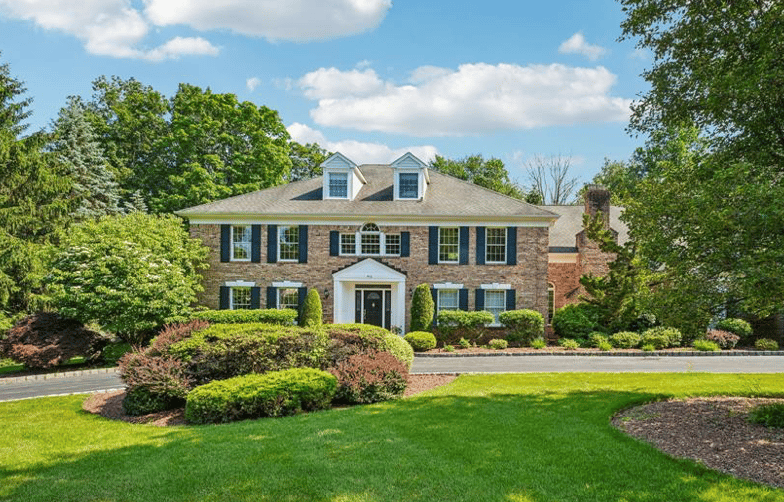
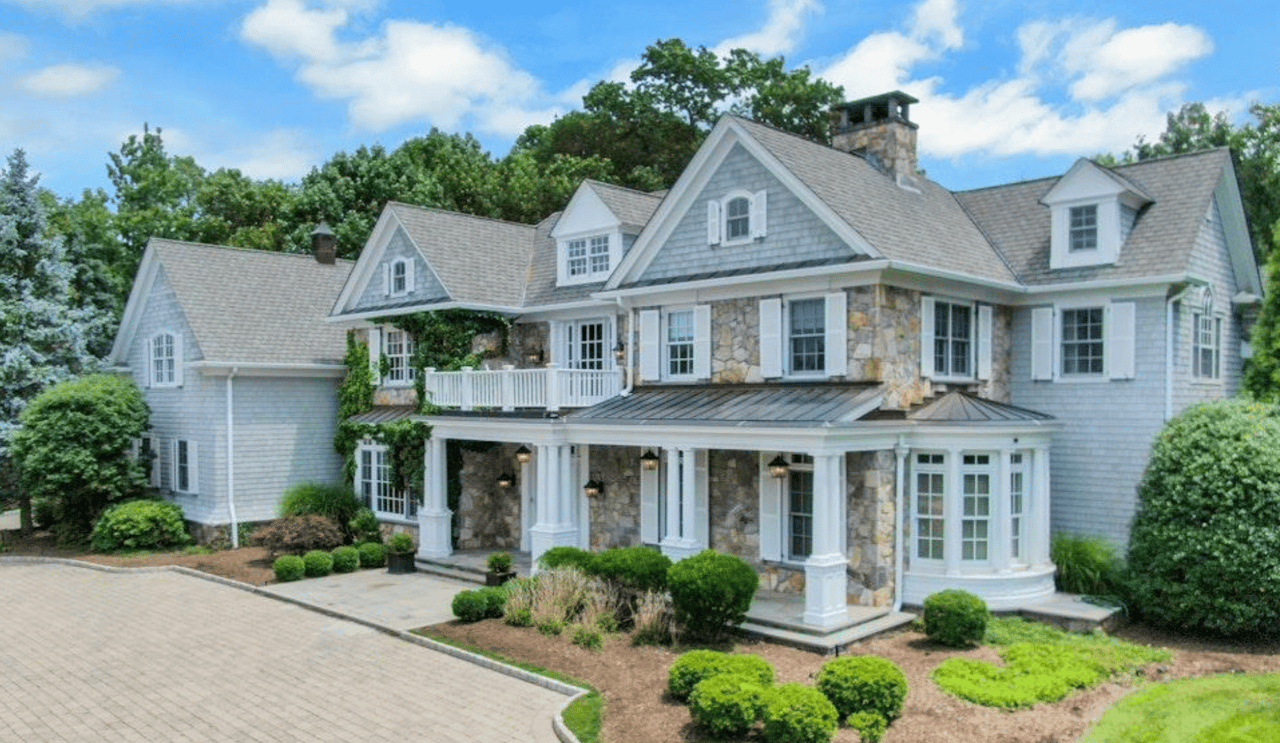
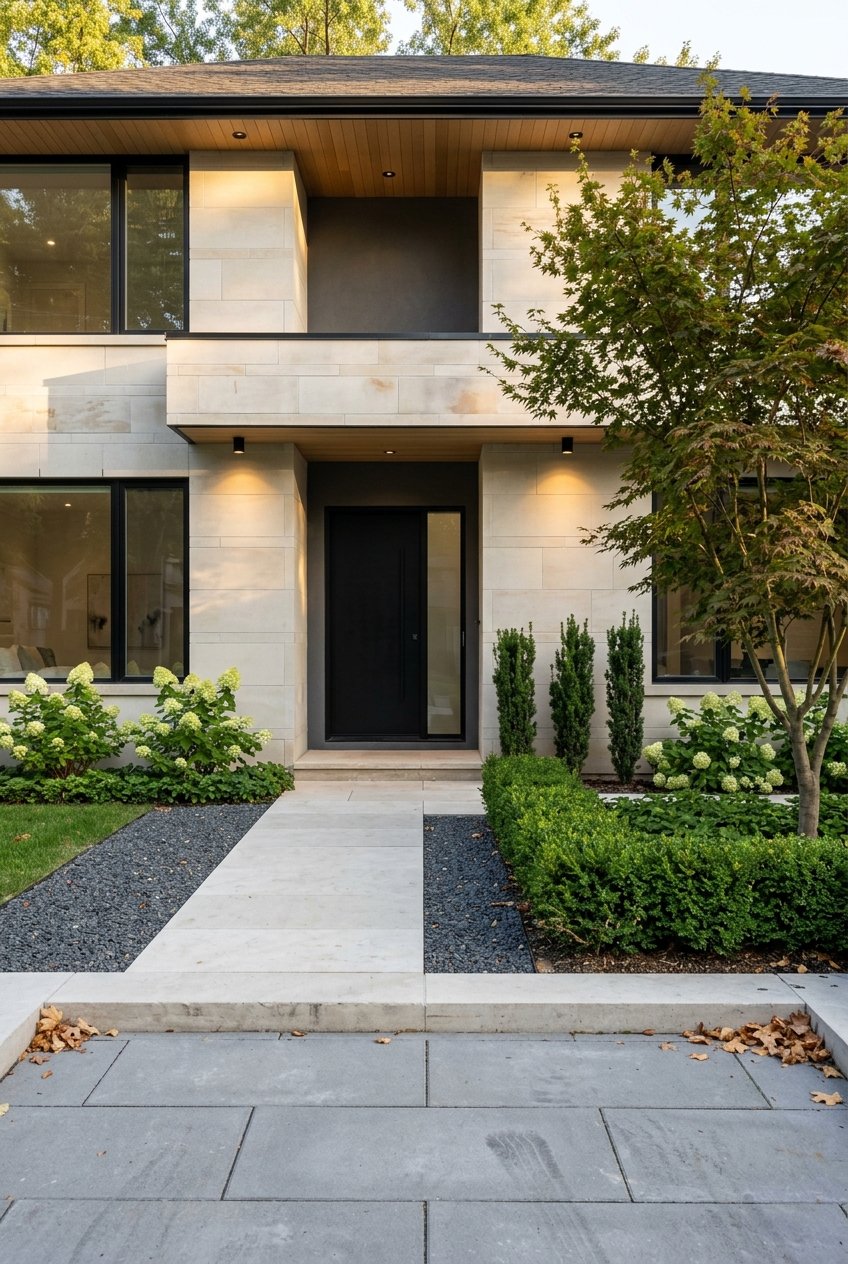
Closter’s housing stock is one of its most distinctive features. Instead of one dominant subdivision style, the borough offers a mix of home types shaped by different periods of growth.
The historic preservation resources point to everything from Victorians and Colonial Revival homes to Dutch Colonial Revival, Tudor Revival, Ranch, and later contemporary houses. There is even a preserved Lustron House, a distinctive postwar one-story ranch-style home, which reflects how varied the borough’s residential character can be.
For buyers, that usually means more architectural diversity from street to street. For sellers, it is part of what can make Closter real estate appealing in the broader Bergen County market.
What Daily Living in Closter Feels Like
So what is it actually like to live in Closter? In practical terms, it feels balanced.
You have a compact retail hub for groceries, dining, and errands. You have parks, trails, and community events that make it easy to spend time outdoors or connect locally. You also have a borough with visible history, civic institutions, and a housing stock that feels more layered than many newer suburban communities.
That does not mean every block or every home feels the same. In fact, part of Closter’s appeal is that it offers variety while still feeling cohesive.
Who Closter May Appeal To
Closter can be a strong fit if you are looking for:
- A Bergen County suburb with a commuter-town identity
- A town with a clear retail and dining center
- Access to parks, recreation, and nature trails
- A community with visible history and local institutions
- Housing with architectural variety rather than a one-style feel
For many buyers, that combination is what makes Closter memorable. It offers convenience and activity, but it also keeps a grounded, established character.
If you are thinking about buying or selling in Closter or another Bergen County town, working with a local advisor can help you compare neighborhoods, housing styles, and market opportunities with more clarity. When you are ready to take the next step, connect with Daniel Chamoun, REALTOR® for personalized guidance.
FAQs
What is Closter, New Jersey known for?
- Closter is known for its wooded suburban setting, commuter-town identity, compact shopping and dining hub, parks, trails, and historically layered housing stock.
What is shopping like in Closter, New Jersey?
- Much of Closter’s everyday shopping is centered around Closter Plaza on Vervalen Street, which includes grocery, dining, retail, and service businesses, including Whole Foods Market.
What parks are available in Closter, New Jersey?
- Closter Recreation lists Memorial Park, Ruckman Park, Mollicone Park, and Schauble Park, and the borough also includes the 136-acre Closter Nature Center with more than 3 miles of trails.
What schools serve students in Closter, New Jersey?
- Closter Public Schools serves pre-kindergarten through fourth grade at Hillside Elementary School and grades five through eight at Tenakill Middle School.
What types of homes are found in Closter, New Jersey?
- Closter has a varied housing stock that includes early historic homes, Victorians, Colonial Revival, Dutch Colonial Revival, Tudor Revival, Ranch homes, and later contemporary homes.