Want skyline views, great food, and a quick hop into Manhattan without living in the city? Fort Lee gives you that cliff‑top Palisades lifestyle with practical commute options and a lively downtown. If you are weighing a move from NYC or elsewhere in Bergen County, you likely care about time, costs, and day‑to‑day rhythm. In this guide you will learn what living in Fort Lee feels like, how you will get to the city, what homes and costs look like, and whether the vibe matches your goals. Let’s dive in.
Fort Lee at a glance
Fort Lee sits on the Hudson River Palisades in eastern Bergen County just west of the George Washington Bridge. It is compact and busy near Bridge Plaza, with quieter residential pockets on the cliffs. The housing mix ranges from high‑rise condo and co‑op towers to multi‑family and single‑family streets. You will find citylike convenience with a more suburban feel.
By the numbers, Fort Lee’s population is roughly 40,000, and the mean travel time to work is about 35 minutes, which signals strong commuter patterns. Owner‑occupied housing is about 55%, and the median value of owner‑occupied homes is about $448,000, with median gross rent around $2,270. These are helpful baselines as you plan a budget and compare nearby towns. Source: U.S. Census QuickFacts.
Housing options and costs
What you will see
- High‑rise condo and co‑op towers around Bridge Plaza and along Palisade Avenue, many with on‑site parking and amenities.
- Mid‑rise and garden‑style apartments that offer a balance of space and convenience.
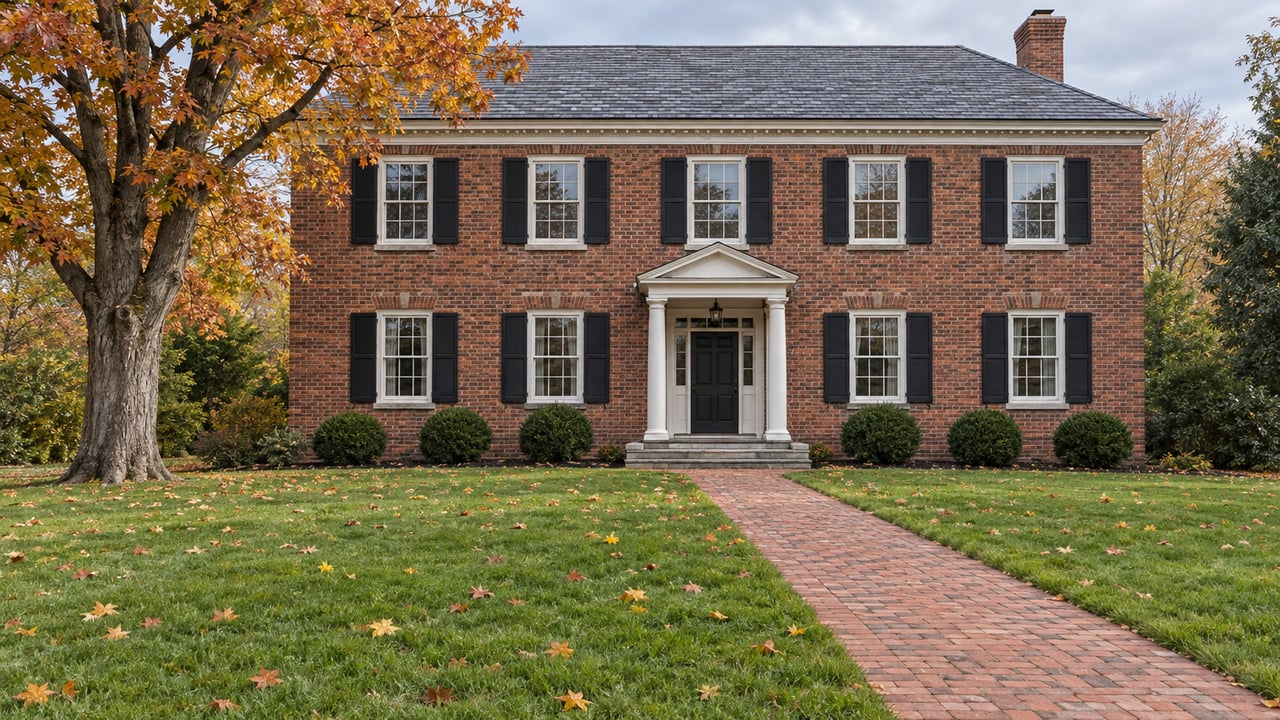
- Older two‑ and three‑family houses on narrower lots typical of Bergen County boroughs.
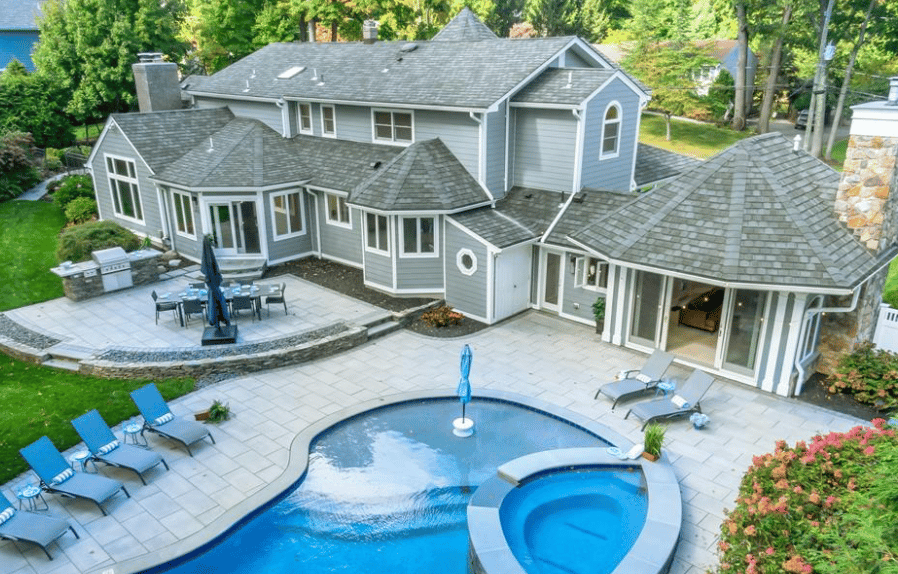
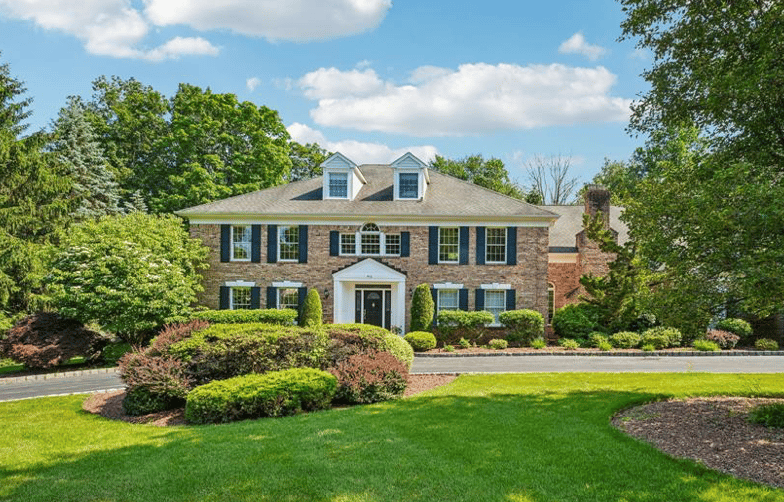
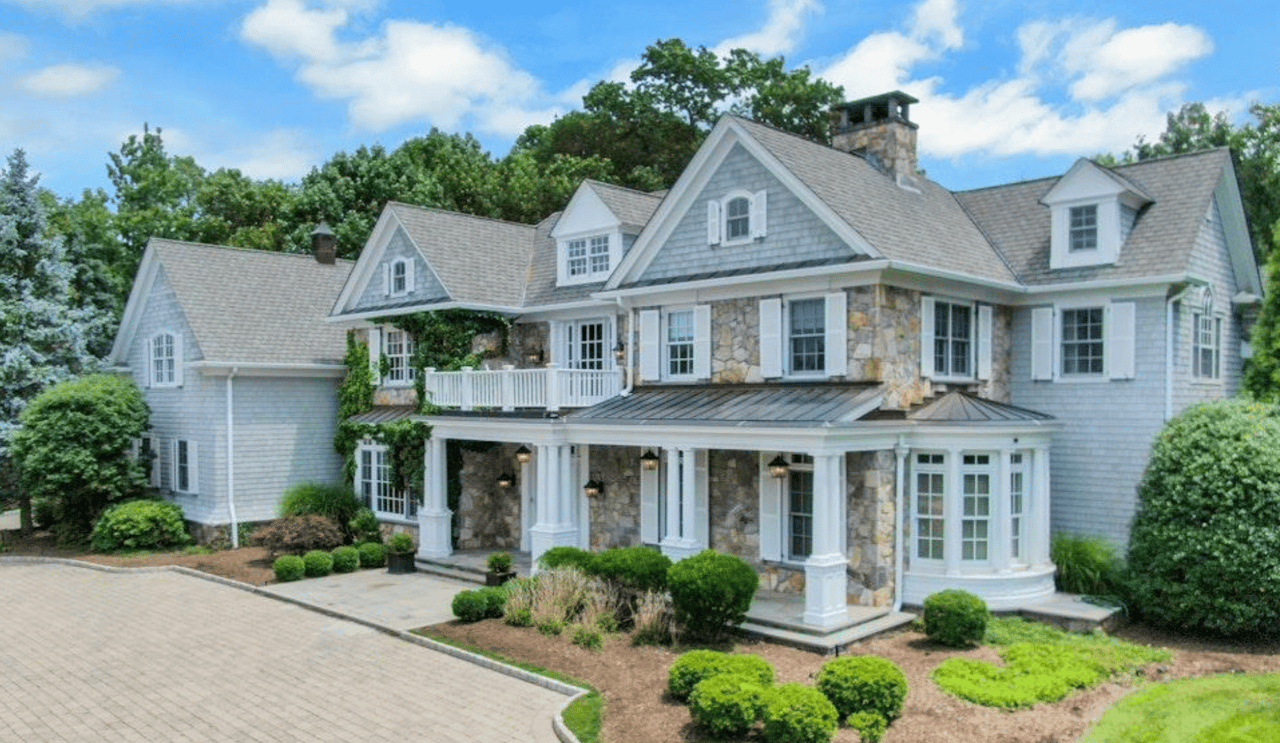
- Single‑family homes set on the Palisades with access to parks and, in some cases, river or skyline views.
Who this market fits
- Professionals who want short, reliable access to Manhattan by bus or car.
- Buyers who want condo amenities and an easy, transit‑friendly routine.
- House‑hunters who value a suburban neighborhood feel close to city dining and culture.
- Investors considering multi‑family properties in a high‑demand commuter corridor.
Budget planning and taxes
New Jersey property taxes are higher than the U.S. average. Estimates for Fort Lee effective rates often fall in the roughly 2.1% to 2.5% range, though methods vary by source. Use these numbers as a guide, then confirm with the borough tax office and your attorney during due diligence. A quick overview of local tax context is available here: Ownwell’s Fort Lee property tax summary.
Condos and co‑ops commonly have monthly HOA or maintenance fees that cover building operations and amenities. Fees vary widely by tower and unit size. If you plan to buy in a high‑rise, request the full budget, reserve study, and any current assessments early in your process.
Parking and building details
Bridge Plaza and the GWB approach are busy. Many towers offer garage parking, assigned spaces, or valet, often for an extra monthly fee. In older neighborhoods, you may rely on street parking or smaller driveways. Always verify building parking terms and municipal permit rules before you sign.
Getting to Manhattan
Express buses to Midtown
For most residents, the fastest and most predictable option to Midtown is NJ TRANSIT’s express bus network. Fort Lee is served by routes including the 154, 156, 158, and 159, with many trips to the Port Authority Bus Terminal or the GWB Bus Station. Check current timetables and notices on the NJ TRANSIT service page. Frequency and trip times vary by time of day and route.
A sample commute you can test
- Origin: Palisade Avenue near Bridge Plaza.
- Mode: NJ TRANSIT 158 to Port Authority.
- Typical range: about 30 to 60 minutes door‑to‑door at rush, depending on your exact start point and traffic.
Do a trial run at your usual commute time. If you want real‑time bus arrivals the day you test, use NJ TRANSIT’s live ETA tools linked from the service page.
Driving via the George Washington Bridge
Driving into Manhattan is direct from Fort Lee. Tolls are collected eastbound into New York, and the Port Authority has moved toward all‑electronic tolling. Review current prices and discount plans in the Port Authority toll schedule. Many commuters still find buses more cost‑effective when you factor in tolls, parking, and Midtown traffic.
Ferries as a nearby option
Fort Lee does not have its own ferry pier, but Port Imperial in Weehawken and nearby terminals offer frequent service to Midtown and downtown. Some residents bus, drive, or rideshare to the terminal, then take the ferry for a scenic, predictable crossing. Check routes and times on NY Waterway’s schedules.
What about rail?
Fort Lee does not have a direct NJ Transit rail station. If you prefer rail, you would connect via bus or drive to nearby hubs in Hudson County, then transfer to PATH or light rail. For most, buses, ferries, or driving are the primary daily modes.
Parks, views, and the Palisades
If you want quick outdoor time and dramatic Hudson River overlooks, this is where Fort Lee shines.
- Fort Lee Historic Park spans 33 acres atop the Palisades with sweeping views of Manhattan, a visitor center, and historic sites. It is a neighborhood favorite for weekend walks and sunset photos. See maps and details on the Palisades Parks Conservancy page.
- Palisades Interstate Park stretches along the cliffs and river with wooded trails and the scenic Henry Hudson Drive at the base. It offers easy access to hiking and cycling close to home.
- Borough parks and fields are spread across neighborhoods for playgrounds, fields, and daily dog walks. Find the local list on the Fort Lee parks page.
Dining and cultural life
Downtown Fort Lee and adjacent Palisades Park are known for one of the region’s densest Korean and broader Asian dining corridors. You can stroll from coffee to BBQ, hot pot, dessert cafés, and specialty grocers, often within a few blocks of Main Street, Lemoine Avenue, and nearby Broad Avenue. For context on the scene and local history, see this overview from Untapped Cities.
Fort Lee also embraces its film roots as an early hub of American moviemaking. The Barrymore Film Center is a museum and cinema that hosts screenings, festivals, and rotating exhibitions, adding year‑round cultural programming to the community. Explore current events at the Barrymore Film Center.
Schools and family logistics
Fort Lee Public Schools serve the borough from elementary through high school. To review programs, calendars, and contacts, start with the Fort Lee Public Schools district page. Many families also review third‑party rating sites as one input among several and visit schools in person during their search.
Daily life for families is straightforward. You have neighborhood parks for playtime, walkable dining options, and quick transit to museums and theaters in the city. For teens, an express bus routine into NYC for internships or activities can be a meaningful perk.
Street life, parking, and building notes
Bridge Plaza is busy at rush and lunchtime. If you plan to keep a car, prioritize buildings with on‑site parking or confirm permit options on your street. In high‑rise towers, look for details on guest parking, valet policies, and EV charging. In smaller buildings or multi‑family homes, confirm driveway size, overnight rules, and how winter parking is handled.
Costs snapshot and how to compare
- Housing baseline: Median owner‑occupied value around $448,000 and median rent around $2,270, per the U.S. Census.
- Property taxes: Often in the 2.1% to 2.5% effective‑rate range in published estimates, but verify with official records. See Ownwell’s Fort Lee summary for a high‑level overview.
- Commute time: Mean of about 35 minutes for residents across all modes, per the U.S. Census.
Because different market trackers use different methods, short‑term price snapshots can vary. Treat index numbers and monthly medians as moving targets and prioritize recent closed‑sale comps when you are ready to make an offer.
Is Fort Lee right for you? A quick checklist
- You want Midtown access without a car‑dependent routine.
- You like high‑rise conveniences or prefer a single‑family street near parks.
- You value a lively dining scene, especially Korean and Asian eateries.
- You want quick Hudson River views and weekend trails.
- You are comfortable budgeting for New Jersey property taxes and, if applicable, building maintenance fees.
If most of these resonate, Fort Lee may be a strong fit.
Ready to see how your budget and wish list match what is available? Get local, data‑driven guidance and a plan tailored to your timeline. Connect with Daniel Chamoun, REALTOR® to schedule your consultation.
FAQs
How long is the commute to Midtown from Fort Lee?
- The mean travel time for Fort Lee residents is about 35 minutes across all modes, and many express bus riders report 30 to 60 minutes door‑to‑door at rush depending on origin and traffic.
Is Fort Lee walkable and does it have a strong dining scene?
- Yes. Downtown areas near Main Street, Lemoine Avenue, and Palisade Avenue are walkable, and the Fort Lee–Palisades Park corridor is a regional destination for Korean and Asian dining.
Can I avoid driving into Manhattan if I live in Fort Lee?
- Yes. Most residents use NJ TRANSIT express buses to Port Authority or the GWB Bus Station, and some connect to ferries at Port Imperial for a scenic and predictable river crossing.
How should I budget for property taxes and building fees in Fort Lee?
- Expect higher New Jersey taxes than the national average and verify current figures with the borough. Condo and co‑op buildings often have monthly HOA or maintenance fees that vary by tower.
Does Fort Lee have direct commuter rail service into NYC?
- No. There is no direct NJ Transit rail station in Fort Lee. Most commuters use express buses, ferries, or drive, and rail users typically connect via nearby Hudson County hubs.