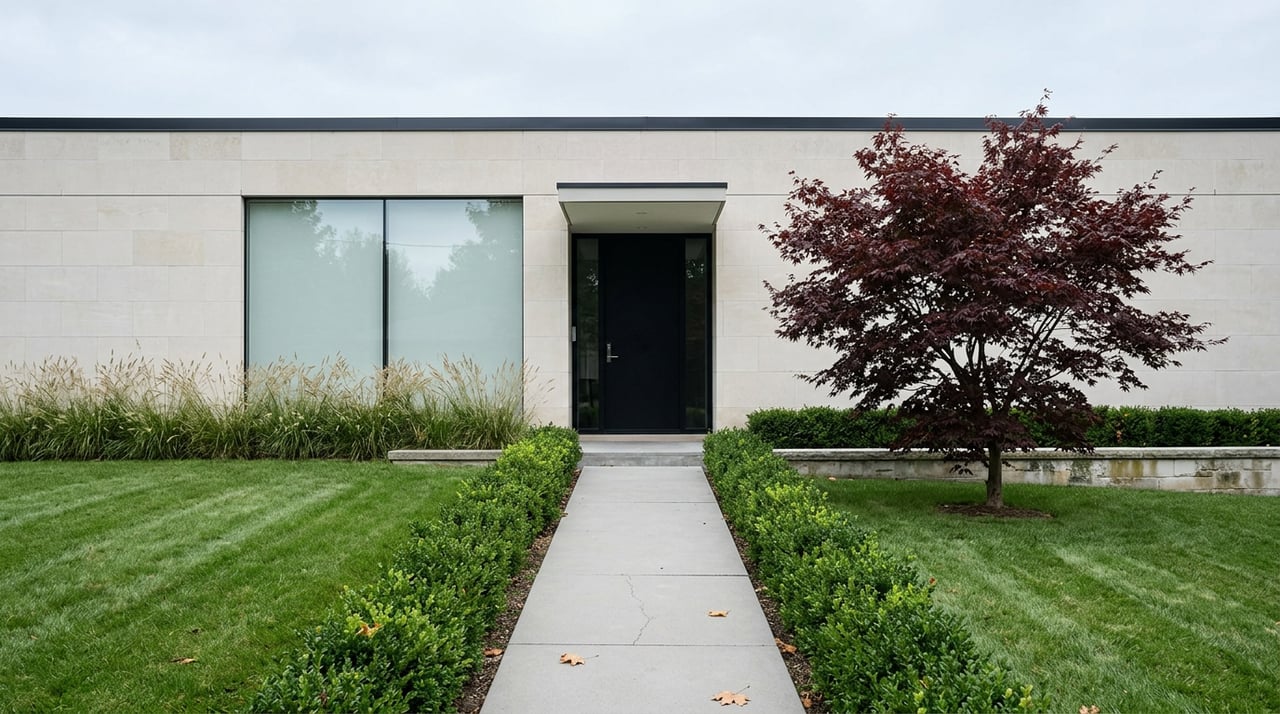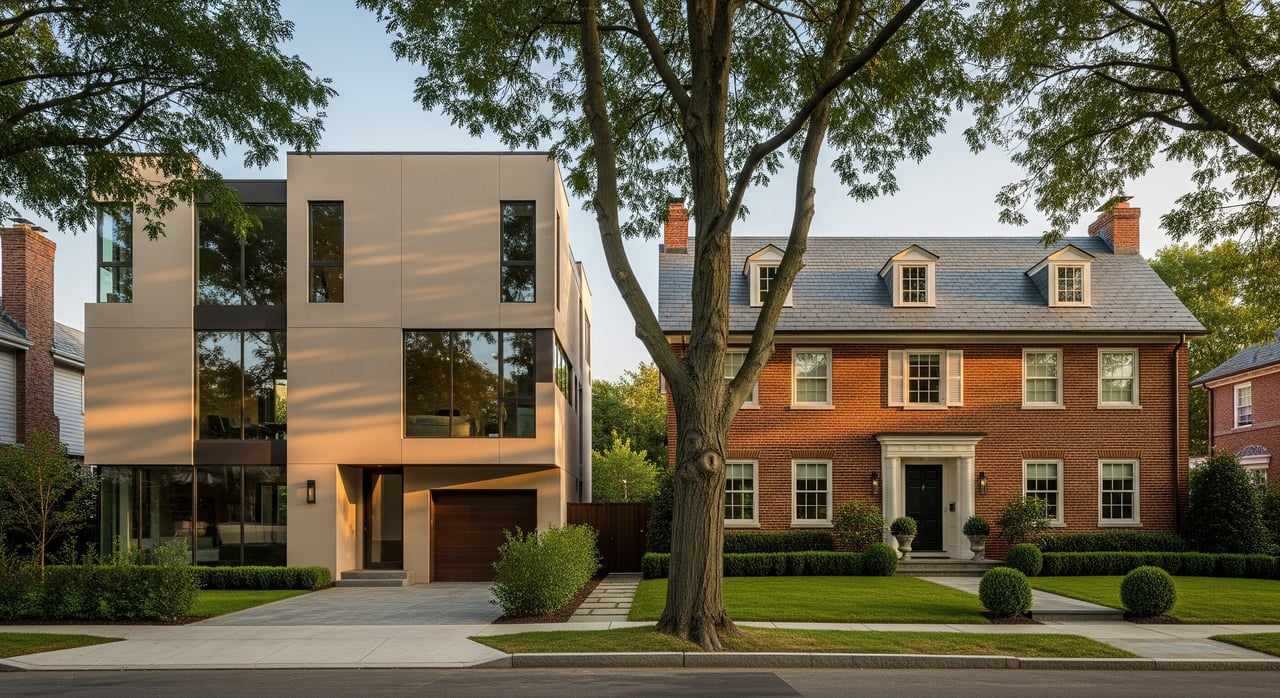
Trying to decide between a brand-new build and a classic resale home in Middlesex County? You’re not alone. With varied neighborhoods, strong transit, and shifting inventory, the right choice comes down to how you want to live, your timing, and your total cost of ownership. In this guide, you’ll learn the key trade-offs, local considerations, financing differences, and practical checklists to help you move forward with confidence. Let’s dive in.
How Middlesex County shapes the choice
Middlesex County sits within the New York metro and includes communities like Edison, Woodbridge, New Brunswick, East Brunswick, Piscataway, and Perth Amboy. You’ll find a mix of transit-oriented redevelopment near train stations and established single-family neighborhoods farther from core transit nodes. That mix matters because it affects both availability and pricing.
Transit access is a major driver here. NJ Transit’s Northeast Corridor and North Jersey Coast lines, with stations such as Metropark and Edison, attract buyers who value the commute. In these areas, new construction can command a premium. In more established suburbs, most options are resale homes with mature landscaping and deeper comparable sales history, which can simplify appraisals.
Local permitting, redevelopment plans, and infrastructure also shape what can be built and how fast. Timelines and fees vary by municipality, and these factors flow into total cost and delivery dates for new homes.
New construction at a glance
What counts as new here
New construction in Middlesex County spans single-family homes in subdivisions, townhomes, and new condo buildings in infill or mixed-use projects. You’ll see national builders active in New Jersey alongside local developers. Some municipalities encourage redevelopment near downtowns and train stations, which often yields new multifamily or mixed-use housing.
Pros of new builds
- Modern building and energy codes that can reduce utility costs.
- Customization options for finishes and layouts if you buy early.
- Builder warranties that cover workmanship, systems, and structural elements.
- Lower near-term maintenance with new roofs, mechanicals, and appliances.
Cons and risks
- A price premium compared with comparable resale homes, with possible appraisal gaps.
- Longer build timelines that can stretch from months to a year or more.
- Less mature landscaping and evolving neighborhood character in new subdivisions.
- Unknown workmanship concerns that may surface post-occupancy, despite code compliance.
- HOA dues and rules in many new townhome or condo communities.
Unique costs and fees
- Upgrades and options beyond the base price, like finished basements or upgraded kitchens.
- Impact fees or developer contributions that are baked into pricing.
- Utility connection fees for water, sewer, gas, and electric.
- Construction-to-permanent loan costs if you are building a semi-custom home.
Process and timeline
You’ll start with a reservation and contract that spells out specifications, deposits, change-order rules, and timelines. Expect municipal inspections and builder milestones, with independent inspections at the pre-drywall and final stages. A final walk-through produces a punch list for corrections before closing. Delays can occur due to weather, supply chains, labor, or inspection schedules, so build flexibility into your plans.
Local watchouts for new builds
- Verify whether the property is on municipal sewer and water, especially on the outer edges of town.
- Check floodplain status for sites near the Raritan River or the Arthur Kill in Perth Amboy.
- Ask about any local redevelopment incentives or tax abatements, which vary by municipality.
- Review HOA budgets and reserve studies for new communities to understand dues and potential assessments.
Resale homes in Middlesex County
What resale includes locally
Resale homes range from older single-family houses in established neighborhoods to condos and townhomes built in the 1990s and 2000s. Condition varies widely. Some homes are move-in ready, while others need updates to systems, insulation, windows, or interiors to meet today’s standards.
Pros of resale
- Established neighborhoods, mature trees, and a stable community feel.
- Faster timelines with immediate availability and shorter contract-to-close windows.
- Negotiation flexibility on price, credits, or repairs after inspections.
- Easier appraisals thanks to deeper comparable sales in older neighborhoods.
Cons and risks
- Deferred maintenance on roofs, HVAC, plumbing, or electrical systems.
- Older energy performance and potential code noncompliance.
- Hidden issues like mold, settlement, lead-based paint in pre-1978 homes, asbestos, or termite damage.
- Renovation unpredictability that can add time and cost.
Inspections and disclosures
Typical due diligence includes a general home inspection and targeted tests as needed, such as radon, lead-based paint for pre-1978 homes, pest and wood-destroying organism checks, and septic or well inspections where applicable. Municipal certificates at transfer may be required. New Jersey law also requires certain seller disclosures, so confirm known conditions and verify via inspections and municipal records.
Local considerations
Property taxes are a major line item and vary by municipality. Review recent assessments and any active appeals. School districts and municipal services can influence demand and pricing patterns, so factor these into your decision. In some older neighborhoods, local historic zoning may guide or limit exterior changes, which affects renovation plans.
Financing, appraisals, and taxes
New construction loans and incentives
For new builds, a construction-to-permanent loan or builder-arranged financing is common. Funds disburse in draws, and you may make interest-only payments during construction until the home is complete. Builders sometimes offer rate buydowns or closing-cost credits. Compare the net effect of incentives rather than headline prices alone.
Resale financing
Resale buyers typically use conventional, FHA, VA, or portfolio loans. FHA and VA loans have property condition standards that can require certain repairs before closing. Talk with your lender early about condition-related requirements so you can factor them into negotiations and timelines.
Appraisal challenges and strategies
New homes in an area dominated by resales can face appraisal shortfalls if recent comparable sales do not support the contract price. Common strategies include renegotiating price, seeking builder concessions, or requesting appraisal reviews. Resales tend to have stronger comparable data, which can mean smoother appraisals, but condition still matters.
Taxes, insurance, and HOA costs
Property taxes differ by municipality, and new construction may be assessed differently initially. Budget for homeowners insurance and review whether a property sits in a flood zone that requires flood insurance. For communities with HOAs, evaluate dues, reserve funding, and potential special assessments to understand total monthly costs.
Which is right for you?
Choose new construction if you want the latest systems, lower immediate maintenance, and the ability to personalize finishes. It can make sense if you value energy efficiency and plan to stay long enough to benefit from the builder warranty and lower repair risk. Build timeline and premiums are the trade-offs.
Choose resale if you want a mature neighborhood, faster move-in, and more room to negotiate. Resale can offer a lower upfront purchase price, but be ready to budget for updates and potential repairs. Your specific submarket, commute needs, and renovation appetite will point you toward the best fit.
Buyer checklists
New construction checklist
- Confirm municipal sewer and water, and ask about connection fees.
- Get full warranty details in writing, including structural coverage and claim procedures.
- Schedule independent inspections at pre-drywall and final stages.
- Request typical utility costs from comparable occupied homes.
- Review HOA budgets, reserves, and rules if applicable.
- Understand construction loan draws and the conversion to a permanent mortgage.
- Verify floodplain status and elevation certificates if near water.
Resale checklist
- Order a comprehensive home inspection and targeted tests as needed: radon, lead-based paint for pre-1978 homes, mold, septic or well, and pest/WDO.
- Confirm tax history, current assessments, and any pending municipal charges.
- Check permits and closed approvals for past renovations.
- Budget for near-term capital items like roof, HVAC, windows, and major appliances.
Seller tips
For new construction sellers
- Price transparently with clear upgrade and option costs.
- Provide relevant comparable sales and consider targeted incentives to address appraisal gaps.
- Set realistic delivery timelines and communicate inspection milestones to buyers.
For resale sellers
- Tackle safety and mechanical repairs before listing to reduce renegotiation.
- Consider a pre-listing inspection to surface issues early.
- Present a clear maintenance history and recent improvements to build buyer confidence.
Next steps
Both paths can be excellent in Middlesex County. The best choice depends on your timeline, budget, commute priorities, and appetite for renovations. If you want a clear plan tailored to your neighborhood and price point, let’s talk through the options and next steps.
Ready to compare homes and strategies side by side? Connect with Daniel Chamoun, REALTOR® to map your move with expert, local guidance.
FAQs
Is new construction worth the premium in Middlesex County?
- It can be, especially if you value energy efficiency, customization, and lower near-term maintenance. Weigh those benefits against potential appraisal gaps and longer timelines.
How long does new construction take locally?
- Many projects run several months to over a year. Delays can come from permits, municipal inspections, weather, labor, or supply chains, so build flexibility into your plans.
How do property taxes compare for new vs. older homes?
- It depends on assessed value and municipality. New construction may be assessed differently at first, so confirm details with the local tax assessor before you commit.
What inspections are most important for older resale homes?
- Start with a general inspection, then add radon, lead-based paint for pre-1978 homes, pest/WDO, and septic or well inspections where applicable.
Are there local incentives for buying new construction?
- Some municipalities and redevelopment areas offer tax incentives or abatements, but programs vary by town. Check local resources during due diligence.
What should commuters weigh when choosing new vs. resale?
- Homes near NJ Transit stations often command premiums, especially new transit-oriented options. Balance commute convenience against price, HOA costs, and your timing needs.