Thinking about trading your walk-up or high-rise for a driveway and a backyard? If you’re weighing a move from New York City to Bergen County, you’re not alone. You want more space, solid commute options, and strong public services without guesswork on total costs. This guide gives you clear numbers, realistic commute expectations, a sample of neighborhoods, and practical timelines so you can plan with confidence. Let’s dive in.
Why Bergen County appeals
If you’re renting, Bergen County asking rents often run lower on average than NYC’s citywide medians, which frees up budget for space and amenities. If you’re buying, countywide home values sit in the mid to high hundreds of thousands, and many towns offer larger lots and more bedrooms than comparable NYC homes at similar price points. The county also has a high owner-occupancy rate and strong household incomes, which help support services and demand. According to the U.S. Census QuickFacts, Bergen County’s median household income is about $125,000 and roughly 65% of homes are owner-occupied.
The tradeoff is real. New Jersey property taxes are a material cost. Countywide averages land in the low to mid teens annually, with large differences by town. A recent statewide summary shows Bergen County’s average bill around $13,000 in 2024. Always analyze the specific property and municipality before you make a decision. You can review the statewide trend in this property-tax report.
What homes look like
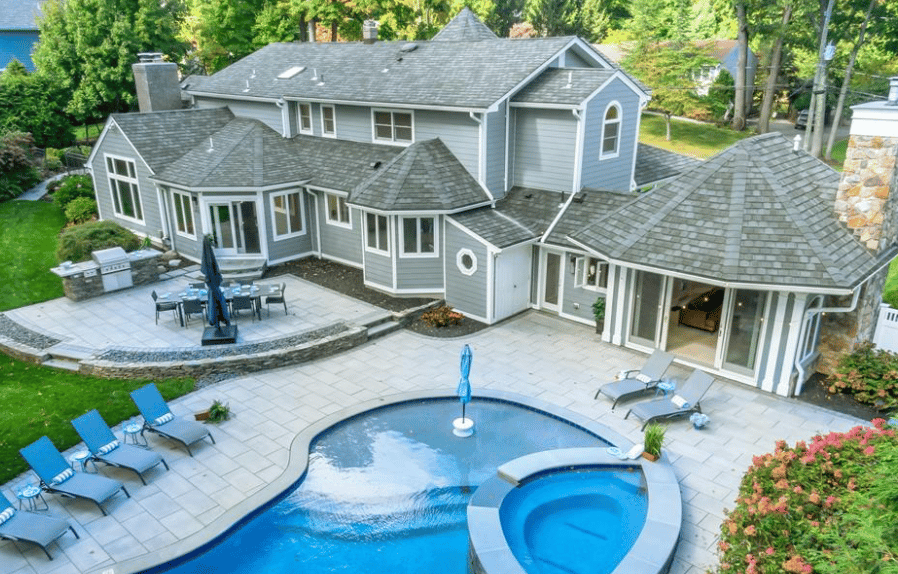
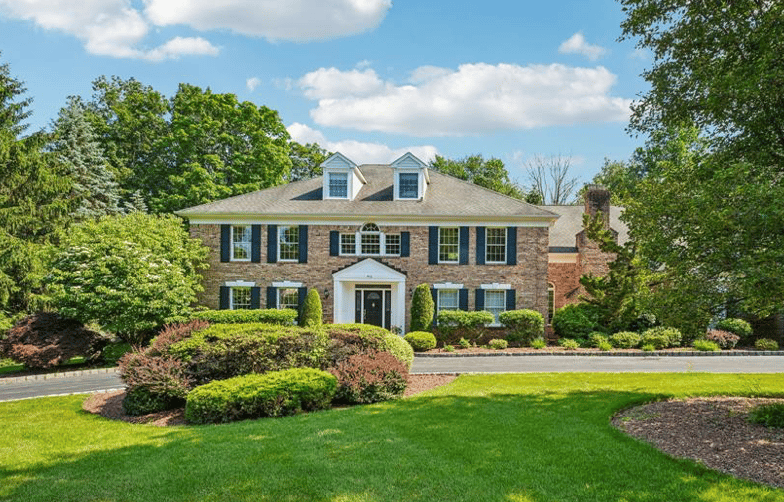
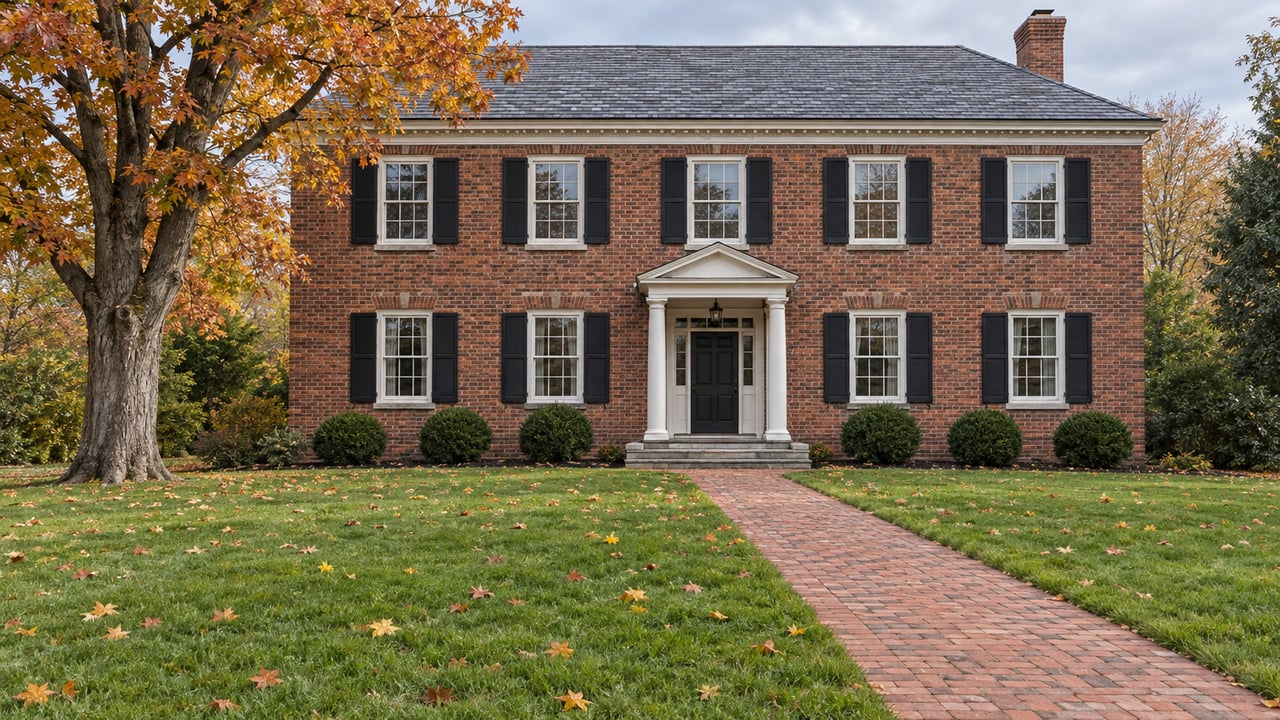
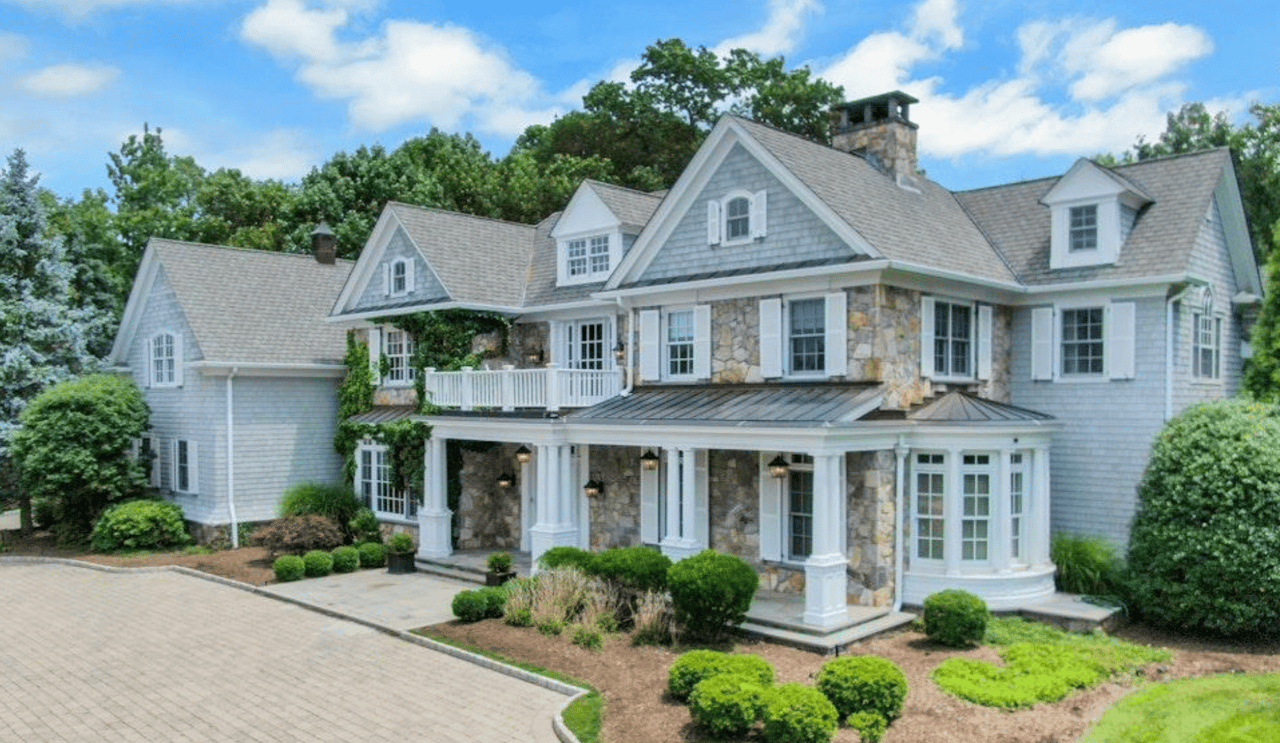
- Northern and inner suburbs like Ridgewood, Glen Rock, Tenafly, and Allendale often feature classic Colonials and Tudors on tree-lined streets. Many areas center around charming downtowns and commuter-rail stations.
- The Route 17 and Route 4 corridor, including Paramus, Rochelle Park, and parts of Hackensack, mixes single-family homes with townhomes and condos close to transit and major shopping.
- Riverfront towns such as Edgewater and Fort Lee offer higher-density condos, mid- to high-rise options, and Manhattan views. Ferry or express-bus access can shorten the river crossing.
Price tiers at a glance
- Premium village markets: Ridgewood, Tenafly, and Glen Rock often sit at higher price points for single-family homes, reflecting buyer demand for walkable downtowns and well-regarded public services.
- Mid-range commuter suburbs: Paramus, Fair Lawn, Westwood, and Hackensack offer a broad mix of single-family homes, townhouses, and condo options at a wider range of prices.
- Riverfront condos: Edgewater and parts of Fort Lee deliver condo living with skyline views and ferry or direct-bus options.
Town-by-town differences in price, taxes, and commute times can be significant. Work with local comps and recent sales to set your expectations.
Commute options explained
Bergen County commuters use a mix of train, bus, ferry, and driving. Door-to-door times vary by town and time of day, but many residents see 30 to 60 minutes one way when they plan smart.
Trains: Main/Bergen and Pascack lines
NJ TRANSIT’s Main/Bergen County and Pascack Valley lines run to Hoboken with connections to Midtown via Secaucus Junction. For many north-county towns, a one-seat train to Hoboken plus PATH or a Secaucus transfer to a Midtown-direct train is common. Review routing details on NJ TRANSIT’s “Getting to New York by train” page.
- Example: From Ridgewood, you can board the Main/Bergen line and connect at Secaucus for Midtown. Some riders prefer a one-seat Hoboken trip and then PATH, depending on destination.
Buses to Port Authority and GWB Bus Station
Dozens of express routes serve Midtown via the Port Authority Bus Terminal and the George Washington Bridge Bus Station. Timing depends on traffic, but scheduled trips cover a wide range that often fits a 30 to 60 minute window from closer-in towns. Check routes, schedules, and real-time tools on NJ TRANSIT’s bus portal.
- Example: From Fort Lee, a short drive or local bus to the GWB Bus Station can be efficient for Upper Manhattan. Many residents also use express buses to Port Authority.
Ferries from the Hudson riverfront
If you want a scenic and predictable river crossing, NY Waterway runs peak ferries from Edgewater and nearby terminals into Midtown and Downtown. Fares are higher than typical bus or rail, but the time and experience appeal to many commuters. See current routes on NY Waterway.
- Example: From Edgewater, you can bus or walk to the ferry terminal and connect to a Midtown pier, then use a free or low-cost shuttle to your final destination.
Driving, tolls, and parking
Driving via the George Washington Bridge or the Lincoln and Holland tunnels remains an option. Tolls, congestion, and parking add up, so factor them into your monthly budget. The Port Authority uses cashless tolling, and policies change. Confirm current tolls before planning a daily drive.
Passes and monthly costs
Monthly NJ TRANSIT passes and employer transit benefits can help control commuting costs. Compare a monthly rail or bus pass against ferry fares and occasional rideshares. You can review pass options and ticketing updates on NJ TRANSIT’s website, along with the schedules above.
Schools, parks, and everyday life
Public schools are a key driver of housing demand in many Bergen towns. Districts like Ridgewood Public Schools and Tenafly Public Schools receive strong marks from independent reviewers. Always verify details on district websites and state report cards to understand programs, curricula, and enrollment policies.
If you crave outdoor space, the county park system is a major perk. Overpeck County Park, Van Saun Park, and the Saddle River County Park trail network offer playgrounds, walking and biking paths, sports fields, and seasonal events. Explore options and amenities through the Bergen County parks and outdoor activities guide.
Healthcare access is robust, with regional medical centers and specialty care across the county. Many movers also appreciate the shift to quieter streets at night and more elbow room, with the understanding that daily life can be more car-dependent than many NYC neighborhoods.
Your cost-of-living math
When you compare Bergen County to NYC, look beyond list price or rent.
- Property taxes: County averages are in the low to mid teens annually, but bills vary significantly by municipality. Review current local rates and always confirm the tax line item for a specific property. For context, see this statewide property-tax trend report.
- Commute: Price out a monthly train or bus pass, or a ferry pass if you prefer that route. Add parking, rideshares, and occasional tolls if you drive.
- Insurance and utilities: Get a homeowner’s insurance quote and estimate utilities for a larger home if you are moving from an apartment.
- Income and ownership landscape: The Census QuickFacts show a high median household income and a majority owner-occupied market, which reflects demand and supports pricing.
Timelines and logistics
Renting
In many Bergen towns, you can find and secure a rental within days to a few weeks, depending on season and price point. Many landlords process applications within 24 to 72 hours, though it can take longer at peak times. Prepare pay stubs, ID, references, and funds for a holding deposit. For an overview of screening timelines, see this application processing guide.
Tip: Align your NYC lease end-date with your Bergen start-date to avoid double rent. Consider short-term rentals or month-to-month extensions to bridge any gap.
Buying
Home searches often take several weeks to a few months, depending on budget and town. Once you go under contract, a typical financed closing runs about 30 to 45 days in current practice. Build time for attorney review, inspection, appraisal, and title.
Market pace varies by town and season. Listings that are priced well can move to pending in roughly a month in some recent county snapshots. Your agent can share real-time comps and days-on-market for your target area.
Tax residency and enrollment
Moving to New Jersey may change your tax obligations, but only if you change domicile and avoid triggers for New York statutory residency. Because rules can be complex, review this professional overview of New York residency rules and consult a tax advisor about your situation.
For public schools, verify enrollment timelines and required documentation directly with each district. Policies vary, so plan ahead.
Sample town snapshots
Use this quick guide to frame your search. Prices and programs vary by neighborhood and over time. Confirm current data with local comps and district resources.
| Town | Housing snapshot | Commute options | School note | Price tier |
|---|---|---|---|---|
| Ridgewood | Classic Colonials, Tudors, walkable downtown | NJ TRANSIT Main/Bergen line via Secaucus; express buses | Well-regarded district; see Ridgewood profile | Premium |
| Tenafly | Mix of traditional and newer single-family homes | Express buses; short drive to GWB; nearby ferry access points | Well-regarded district; see Tenafly profile | Premium |
| Glen Rock | Tree-lined single-family blocks near rail | NJ TRANSIT rail via Secaucus; express buses | Public schools are widely noted in independent reviews | Premium |
| Paramus | Post-war ranch/colonial mix; townhomes | Express buses; highway access | Public schools and services reflect strong retail tax base | Mid-range |
| Fair Lawn | Single-family mix; some condos/townhomes | Rail via Radburn/Fair Lawn stations; buses | Public schools with a range of programs | Mid-range |
| Westwood | Village downtown; single-family and condos | Pascack Valley Line rail; buses | Public schools with a range of programs | Mid-range |
| Fort Lee | High-rise condos and single-family pockets | Express buses; GWB Bus Station; quick Manhattan access | Public schools with a range of programs | Riverfront/condo |
| Edgewater | Waterfront condos and townhomes | Ferries via NY Waterway; express buses | Public schools with a range of programs | Riverfront/condo |
A simple move checklist
- Financials: Compare all-in monthly costs, including estimated property taxes, homeowner’s insurance, commute fares or tolls, and parking.
- Commute test: Do a trial run at your target times. Use NJ TRANSIT bus tools, train routing, and NY Waterway schedules to confirm door-to-door timing.
- Schools: Review district websites and state report cards. Use third-party profiles as a starting point, then confirm specifics with the district.
- Buying prep: Get pre-approved, line up an attorney for NJ closings, and schedule inspections early.
- Renting prep: Assemble documents and funds for application and deposit so you can act quickly.
Ready to compare neighborhoods, run the numbers town by town, and plan your timeline? Let’s map your options with current comps, tax estimates, and commute strategies that fit your life. Reach out to Daniel Chamoun, REALTOR® to schedule your free consultation and start your Bergen County plan.
FAQs
Will I save money moving from NYC to Bergen County?
- Many renters see lower asking rents on average, and buyers often get more space for the price. Your net savings depends on property taxes, commute costs, and the town you choose.
How much will property tax add to my monthly payment?
- County averages are around the low to mid teens annually, but every town and home differs; divide the actual annual bill for a specific property by 12 to compare monthly impact. See statewide context in this tax trend report.
How long is the commute from Bergen County to Manhattan?
- Many commuters plan for 30 to 60 minutes one way using express buses, rail with a Secaucus transfer, or ferries from the riverfront; confirm your route with NJ TRANSIT or NY Waterway.
How fast can I rent an apartment in Bergen County?
- With documents ready, many renters secure units in days to a few weeks; application processing often takes 24 to 72 hours, according to this screening overview.
What is a typical homebuying timeline in Bergen County?
- Search times vary by price and town, but once under contract many financed closings take about 30 to 45 days; build time for attorney review, inspection, appraisal, and title.
Will moving to New Jersey change my New York taxes?
- It can, but only if you establish New Jersey domicile and avoid New York statutory residency triggers; review this residency guide and consult a tax professional.