Shopping for a home in Upper Saddle River and hearing the term “jumbo loan” again and again? You are not alone. Many homes in this high-value Bergen County market require financing above standard limits, which changes how you plan, qualify, and close. In this guide, you will learn what a jumbo mortgage is, how it differs from a conforming loan, what lenders typically expect, and how local New Jersey costs and timelines affect your move. Let’s dive in.
Why jumbos matter in Upper Saddle River
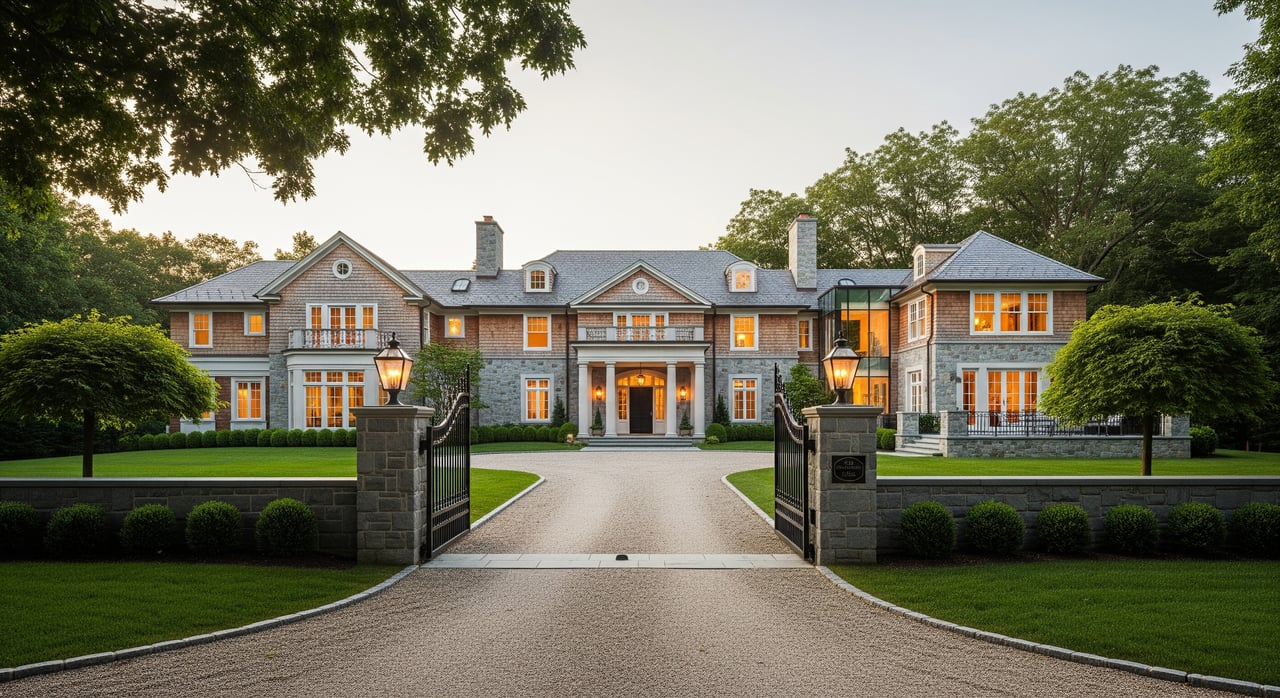
Upper Saddle River sits in the New York metro area and features larger-lot homes, luxury finishes, and custom properties. These prices often exceed national conforming loan limits, so jumbo financing is common for qualified buyers. That reality shapes how you structure your offer, choose a lender, and prepare documents.
Beyond price, plan for Bergen County’s higher property taxes compared with U.S. averages. Your tax bill is part of your monthly housing budget and affects your debt-to-income ratio and required reserves. Parts of town lie near the Saddle River as well, so flood zone checks can come into play. New Jersey also uses real estate attorneys in transactions, and the attorney review period can affect your financing and closing timeline.
What is a jumbo loan?
A jumbo mortgage is a loan amount that exceeds the conforming loan limit set by the Federal Housing Finance Agency. Conforming limits adjust each year and can vary by county. For context, the 2024 baseline limit was $766,550 and the 2024 high-cost ceiling for one-unit properties was $1,149,825. Limits change annually, so always confirm the current figure using the FHFA conforming loan limit lookup.
If the loan amount you need is above your county’s conforming cap, you are in jumbo territory. That triggers different underwriting, documentation, and sometimes pricing.
How jumbo loans differ from conforming
- Underwriting rigor. Jumbo loans are non-conforming, so lenders often apply tighter standards. Expect careful review of credit strength, reserves, debt ratios, and documentation.
- Rates vary by profile. Jumbos have sometimes carried slightly higher rates than conforming loans. For top-credit borrowers, rates can be competitive or even lower depending on lender appetite.
- Mortgage insurance works differently. Standard private mortgage insurance used on conforming loans is often unavailable for jumbos. Lenders may require larger down payments or portfolio alternatives.
- Lender mix. Many jumbos are offered by national and regional banks, credit unions, and portfolio lenders that keep loans on their books. Portfolio lenders may offer flexibility, but guidelines can vary.
If you are comparing options, the CFPB mortgage shopping tools are a helpful starting point for questions to ask.
Eligibility basics lenders often expect
Every lender sets its own guidelines, but most jumbo programs share common themes. Here is what you will likely see in Upper Saddle River.
Credit strength
Strong credit is key. Many lenders price best at mid 700s credit scores, often 720 to 740. Some programs go lower with compensating factors or larger down payments.
Down payment and LTV
For primary homes, typical down payments range from 10 to 20 percent. Lower down payment options may exist for highly qualified borrowers. Second homes and investment properties usually require more, often 20 to 30 percent or higher.
Debt-to-income and reserves
Maximum debt-to-income ratios often land in the low to high 40 percent range. Expect higher cash reserve requirements with jumbos. Six to twelve months of principal, interest, taxes, and insurance is common, with larger reserves on bigger loans or non-owner-occupied properties.
Income and documentation
Full documentation is the norm: recent paystubs, W-2s, tax returns, and bank statements. High-net-worth buyers with complex income may look at bank statement or asset-based programs that underwrite using liquid assets or business cash flow.
Appraisal depth
Luxury homes can be one of a kind. Limited comparable sales can lengthen the appraisal process and may require experienced local appraisers or a second review. Build extra time into your contract if the property is unique.
Second-lien strategies
Because PMI is often unavailable, some buyers structure a piggyback loan, such as an 80-10-10 with a home equity line of credit, to keep the first mortgage below a pricing threshold. These setups have pros and cons, including rate differences and second-lien risk. Discuss with your lender and attorney before you commit.
Jumbo loan options you will see
- Fixed-rate jumbos. Common 15, 20, and 30 year terms provide steady payments. Longer terms lower the payment, but you may pay more interest over time.
- Adjustable-rate jumbos. ARMs such as 5/6 or 7/6 often start with lower rates. They can make sense if you plan to sell or refinance within the fixed period. Understand the caps and future payment risk.
- Portfolio and bank statement programs. Regional banks and portfolio lenders sometimes offer asset-depletion or bank statement loans for self-employed buyers or those with significant assets.
- Bridge financing. If you need to buy before you sell, a bridge loan can help you move without a home sale contingency that weakens your offer.
- Construction-to-perm loans. Useful for custom homes or major renovations, these combine construction financing and long-term financing into one package.
- Jumbo refinances and cash-out. Cash-out rules can be tighter. Compare a cash-out refi with a home equity line to see which fits your goal and timeline.
Local costs and closing in Bergen County
Closing a jumbo in New Jersey means planning for state and county level costs, plus prepaids and professional fees. Amounts vary by price point and municipality, so verify early.
- Realty transfer and recording fees. New Jersey has state level rules for transfer fees and counties assess recording charges. Review current schedules with the New Jersey Realty Transfer Fee guidance and the Bergen County Clerk property recording information.
- Property taxes and escrows. Bergen County property taxes can be significant on higher valued homes. Lenders will verify the tax history and set up an escrow account for taxes and insurance as part of your payment.
- Flood insurance, surveys, and inspections. If a home is in a FEMA designated flood zone, lenders usually require flood insurance. Check your address using the FEMA flood maps. On larger lots, a current survey, septic certification, or well water test may be required.
- Attorney involvement. New Jersey deals commonly include an attorney review period. Coordinate with your attorney and lender to align financing and contingency dates from day one.
A realistic jumbo timeline
While each file is unique, plan for a slightly longer runway than a standard conforming loan.
- Pre approval: 1 to 7 days, depending on document readiness
- Offer to contract: Negotiation plus New Jersey attorney review
- Appraisal and underwriting: Commonly 2 to 4 weeks, longer for unique homes or extra documentation
- Closing: 30 to 60 days is typical, with time cushions for attorney scheduling and jumbo underwriting
Your jumbo document checklist
Gathering documents early speeds everything up. Start with:
- Two years of personal and business tax returns, plus W 2s if applicable
- Thirty days of recent paystubs and year to date income summaries
- Two to three months of bank statements for all accounts
- Documentation for large deposits, such as gift letters or sale proceeds
- Retirement and brokerage statements for reserve verification
- Photo ID, executed purchase contract, and any HOA documents
Smart strategies for Upper Saddle River buyers
- Get a true jumbo pre approval. Choose lenders who regularly close jumbos and understand portfolio guidelines. Local presence and portfolio capacity can help with unique properties.
- Order due diligence early. Verify taxes, flood mapping, title, and survey needs upfront. Surprise costs are easier to handle before you are in attorney review.
- Think appraisal strategy. On custom properties, discuss comps with your agent. If the appraisal comes in light, you will want a plan to challenge or bridge the gap.
- Consider a piggyback structure. If you want to reduce the first mortgage amount for pricing or approval reasons, compare an 80-10-10 with a single large first lien.
- Time your rate lock. Jumbo locks and extension policies vary. Work with your lender on a lock plan that fits the closing date in your contract.
- Coordinate sale and purchase. If you are selling another home, look at bridge financing or timing strategies to avoid a sale contingency in your offer.
Common pitfalls and how to avoid them
- Underestimating taxes and insurance. In Bergen County, these line items move your monthly payment more than you expect. Build them into your budget from the start.
- Tight closing windows. Jumbo files and attorney schedules can add time. Aim for a contract period that gives room for appraisal and underwriting.
- Last minute deposits. Large, unexplained transfers can delay your clear to close. Document gifts and proceeds before you submit the file.
- Rate shock on ARMs. Adjustable loans can be helpful, but understand index, margin, and caps before you commit.
The bottom line for Upper Saddle River
A jumbo mortgage is a normal part of buying in Upper Saddle River. With the right preparation, clear documentation, and a lender who regularly closes jumbos, you can move from offer to keys with confidence. Lean on a local attorney for contract timing and on a neighborhood focused agent for pricing, comps, and appraisal strategy.
If you are exploring jumbo financing and want a local plan tailored to Upper Saddle River, let’s connect. As a Bergen County focused advisor, I will help you align property search, offer terms, and due diligence with today’s lending landscape. Reach out to Daniel Chamoun, Realtor to Schedule a Free Consultation.
FAQs
What is a jumbo loan and when do I need one in Bergen County?
- A jumbo loan is a mortgage above the FHFA conforming limit for your county. If your required loan amount exceeds that cap, you will use a jumbo. Verify current limits with the FHFA conforming loan limit lookup.
Do jumbo mortgages always have higher interest rates than conforming?
- Not always. Jumbo pricing depends on your credit profile, loan structure, and lender appetite. Compare several lenders to see where your file prices today.
How much down payment do Upper Saddle River buyers usually need for a jumbo?
- Many programs require 10 to 20 percent down for a primary residence, with larger down payments for second homes or investments. Bigger down payments can improve pricing and approval odds.
How long does a jumbo mortgage take from contract to closing in New Jersey?
- Plan for 30 to 60 days, depending on appraisal timing, attorney review, and underwriting. Unique luxury properties or complex income can add time.
What local costs should I budget for on a jumbo purchase in Bergen County?
- Budget for lender fees, title and attorney fees, recording and transfer costs, and prepaids for taxes and insurance. Review state and county details through the New Jersey Realty Transfer Fee guidance and the Bergen County Clerk property recording information.
Do I need flood insurance for a home near the Saddle River in Upper Saddle River?
- If the home is in a FEMA designated flood zone, lenders typically require flood insurance. Confirm property status using the FEMA flood maps.
Can I use assets instead of traditional income to qualify for a jumbo?
- Some portfolio and bank statement programs consider assets or business cash flow in place of standard W 2 income. Requirements vary by lender and usually come with additional documentation.