What if you could see your Paramus home’s value through a buyer’s eyes before you list? If you are thinking about selling, timing, presentation, and the right price all matter. You want a clear, local answer, not just a guess from an online tool. In this guide, you will learn how value is set in Paramus, which local factors move the needle, and the simple steps to get a precise, data-backed estimate. Let’s dive in.
What “market value” means
Market value is the price a ready, willing, and able buyer is likely to pay in today’s market. It is based on recent comparable sales, current supply and demand, and your home’s specific features. Because the market changes, value is a moving target. That is why a current, local analysis matters more than a generic estimate.
Ways to estimate your value
Comparative Market Analysis (CMA)
A CMA compares your home to recently sold, active, and pending properties that are similar in size, style, and location. An experienced local agent adjusts for differences like lot size, finished basement, garage, and interior upgrades. A good CMA reflects what buyers in Paramus are responding to right now. It is fast, practical, and tailored to your block and neighborhood.
Professional appraisal
A licensed appraiser inspects your home and analyzes comparable sales to produce a written report. Lenders rely on appraisals for mortgages and refinances. Appraisals are detailed and objective, though the result can differ from a list price because of strict guidelines and the specific comps available.
Automated valuations
Popular real estate websites use algorithms to estimate value from public records and past sales. These tools are useful for a quick ballpark number. They can miss key details like recent renovations, a unique layout, or a premium lot, so treat them as a starting point rather than a price you can list at.
Broker Price Opinion (BPO)
A BPO is a streamlined estimate that some institutions use. It costs less than an appraisal and is less detailed than a full CMA. It can be helpful for a quick read, but it is not a substitute for a thorough market analysis when you plan to list.
Paramus factors that affect price
Property taxes and assessments
New Jersey property taxes are a major part of buyer affordability. Your annual bill is calculated from your assessed value and the local tax rate. Buyers often review past tax bills and may factor ongoing costs into their budget. You can verify assessments and learn more through the Bergen County Board of Taxation and the New Jersey Division of Taxation.
Schools and enrollment data
Many buyers review public information about schools as part of their decision. You can view objective data, including performance reports and enrollment figures, on the New Jersey Department of Education School Performance Reports site. Use this data to understand how families may evaluate neighborhoods.
Commute and transit access
Paramus offers strong highway access and regional bus options, which can be important for commuters into New York City and nearby employment centers. You can explore route options and schedules on NJ Transit and view regional commute patterns through the U.S. Census American Community Survey.
Retail convenience and traffic
Paramus is a regional retail hub with major shopping corridors. For some buyers, convenient access to shops is a plus. For others, traffic and noise near commercial areas may be a concern. If your home is near retail zones, your pricing strategy should take both convenience and possible traffic impacts into account. Borough resources on planning and zoning are available on the Borough of Paramus site.
Home type, age, and condition
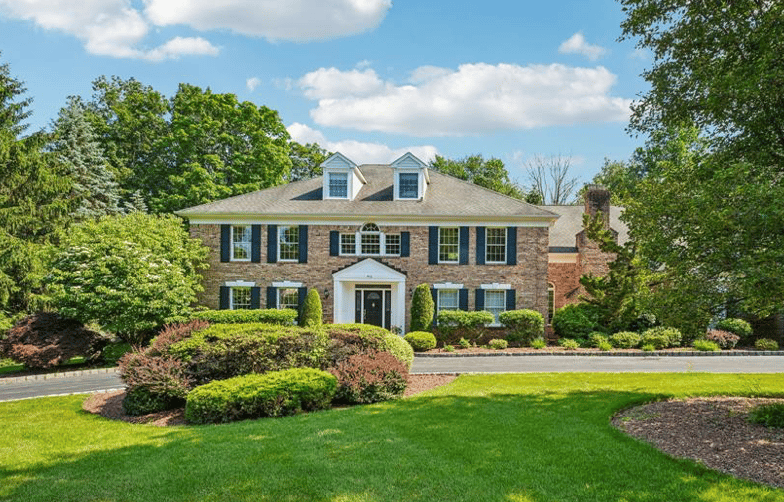
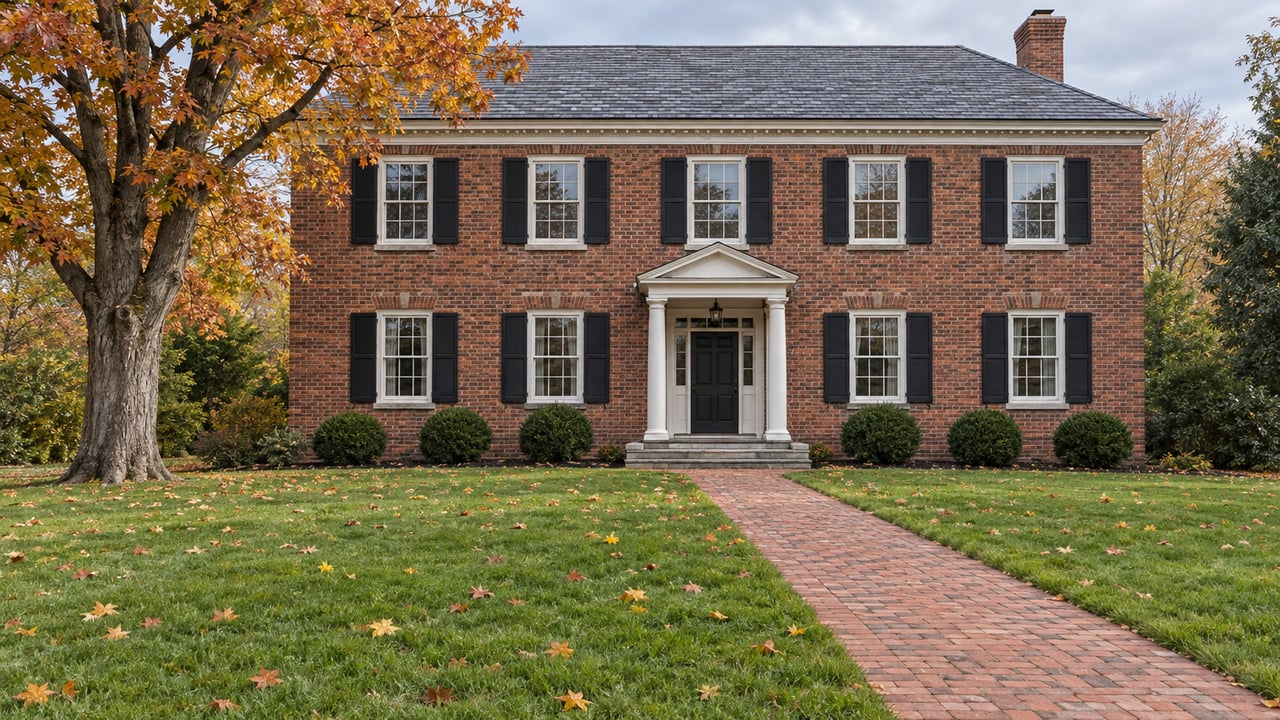
Paramus has a mix of split-levels, colonials, capes, ranches, and newer builds. Updated kitchens and bathrooms, newer systems, and finished basements tend to carry stronger buyer demand than purely cosmetic upgrades. A clean, well-maintained home with modern function can command a premium compared to a similar home that needs work.
Lot size and outdoor features
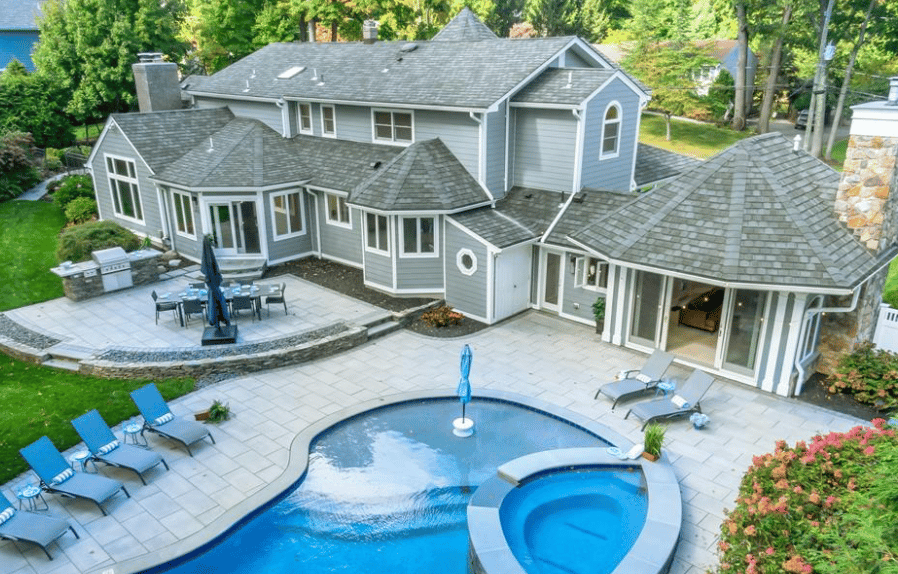
In Bergen County suburbs, larger lots, privacy, patios, and usable yards are often highly valued. Pools and extensive landscaping can help, but they add maintenance that some buyers may discount. Your CMA should compare like for like to reflect these differences.
Flood zones and environmental factors
Parts of Bergen County have stormwater and flood exposure. If your property is in or near a flood zone, buyers may need flood insurance, which affects affordability. You can check a specific address on the FEMA Flood Map Service Center and consult local ordinances for requirements.
Zoning and potential expansion
Whether you can add a dormer, expand a kitchen, finish a basement, or build an accessory structure depends on local zoning. Buyers often ask about potential future changes. For current rules and procedures, consult the planning and building pages on the Borough of Paramus website.
Do a quick DIY estimate
1) Gather your facts
List the basics: beds, baths, finished square footage, lot size, year built, garage spaces, basement type, and a timeline of major upgrades. Pull permits and receipts for recent work. Have your latest tax bill and assessment handy.
2) Identify comparable sales
Look for homes sold in the last 3 to 6 months within about a mile that match your home’s size and layout. If sales are limited, expand the time window to 12 months and the radius to 2 miles while keeping property type and features similar. Separate move-in ready homes from fixer-uppers so you compare like for like.
3) Use price per square foot carefully
Price per square foot is a helpful check, not a rule. Two similar-sized homes can sell for very different prices if one has a newer kitchen, a finished basement, or a larger lot. Note why your home should be higher or lower than each comp and summarize these differences.
4) Cross-check estimates
Compare your comp-based range with automated online estimates. If the gap is large, look for what the algorithm might be missing, such as a renovation that is not in public records. This is where a local agent’s CMA can validate and refine your range.
5) Align with current supply and demand
Active and pending listings show what you are competing against today. If inventory is tight and your home shows well, you may price near the top of your range. If competition is high or your home needs updates, a more conservative strategy can help you sell faster.
Pricing and timing strategy
- In hotter periods, pricing slightly under market can attract multiple offers and stronger terms.
- In balanced conditions, pricing at market with clear value signals works well.
- In slower periods, pair a competitive price with high-impact presentation and targeted marketing.
Your list price should match the story your photos, features, and floor plan tell. A small adjustment early can save weeks on market later.
What affects your net proceeds
Your net is the sale price minus costs. Common items include:
- Broker commission and any marketing or staging you authorize.
- Attorney’s fees, transfer taxes, recording fees, and title-related costs.
- Repairs or credits negotiated during inspection.
- Property tax prorations and your mortgage payoff.
Build a simple worksheet so you understand your likely net at several price points before you list.
When to order an appraisal
Consider a professional appraisal if you need a formal, defensible value for a refinance, estate, divorce, or a unique property with few comps. An appraisal can also help when buyer financing hinges on a clear valuation. Your agent can coordinate timing so it supports your goals.
Local resources you can use
- Property taxes and assessments: Bergen County Board of Taxation
- State tax context: New Jersey Division of Taxation
- School performance data: NJDOE School Performance Reports
- Commute research: NJ Transit and U.S. Census ACS
- Zoning and permits: Borough of Paramus
- Flood zone checks: FEMA Flood Map Service Center
Your next step
If you want clarity before you list, start with a data-backed CMA tailored to your block and your home’s features. You will see the right comps, thoughtful adjustments, and a pricing strategy that fits current buyer demand. Ready to get answers you can use? Connect with Daniel Chamoun, REALTOR® to schedule your free consultation and receive a custom valuation plan.
FAQs
How can I quickly estimate my Paramus home’s value?
- Start with recent local comps, cross-check with automated estimates, then have a local agent prepare a CMA to confirm a realistic range.
Do property taxes affect my sale price?
- High annual taxes can impact buyer affordability, which may influence demand and pricing; verify assessments through the county’s tax office.
Do school reports influence buyers in Paramus?
- Many buyers review public school performance data when comparing areas, so providing objective links to NJDOE reports can help inform decisions.
How long will my Paramus home take to sell?
- Time on market depends on price point, condition, competition, and season; align price with current listings and demand to shorten the timeline.
Should I stage or make repairs before listing?
- Light repairs, deep cleaning, and decluttering typically improve your photos and showings; evaluate larger projects against comparable sales.
When should I order a professional appraisal?
- Order an appraisal for refinance, estate or legal needs, or when your home is unique and comps are scarce, so you have a documented value.