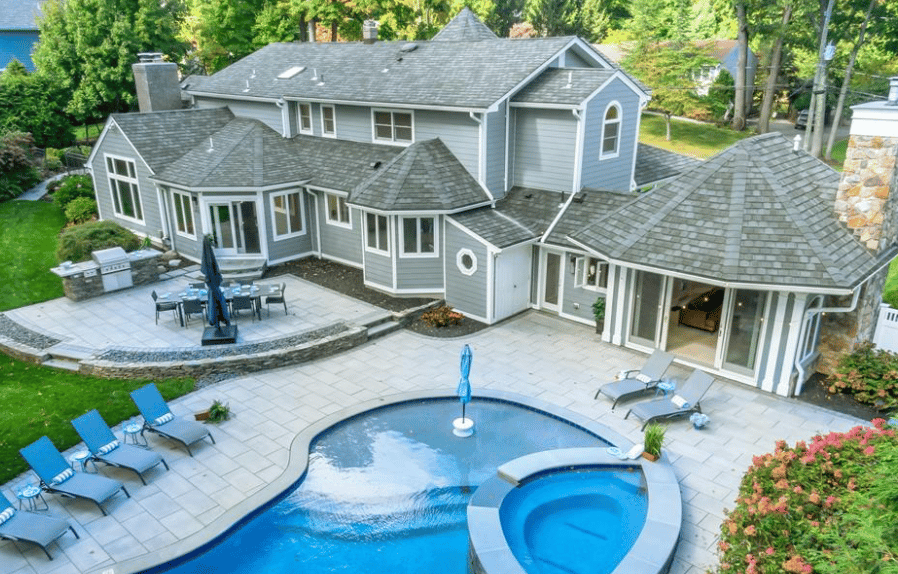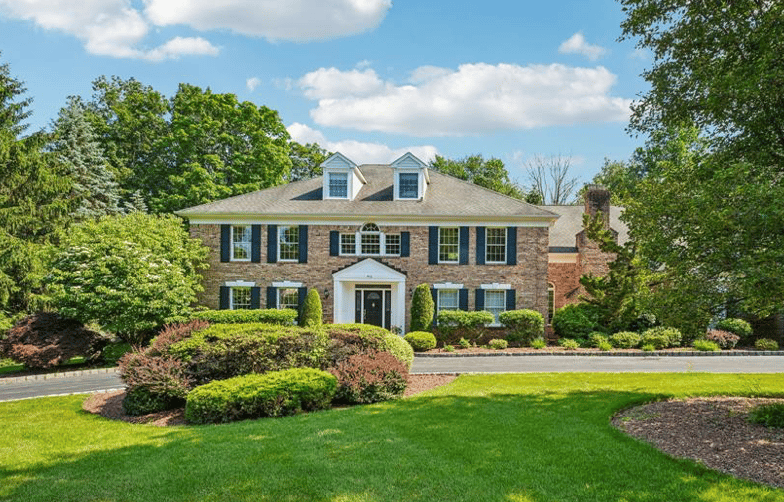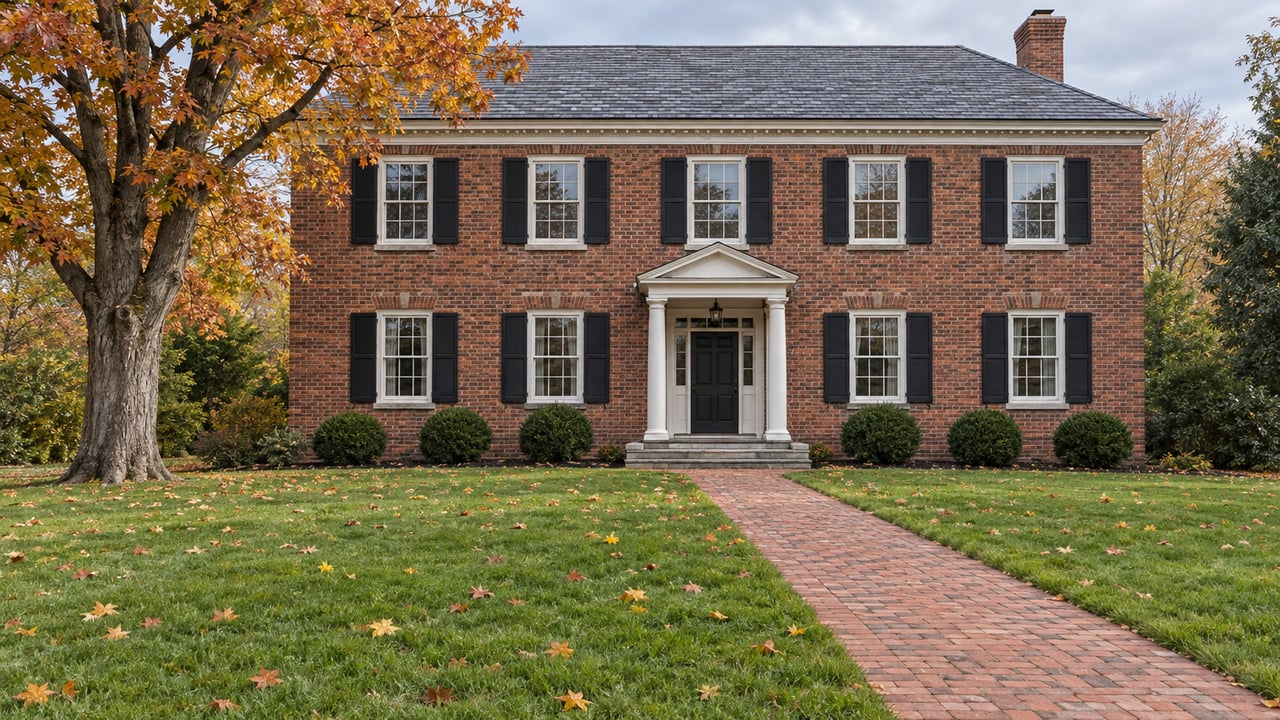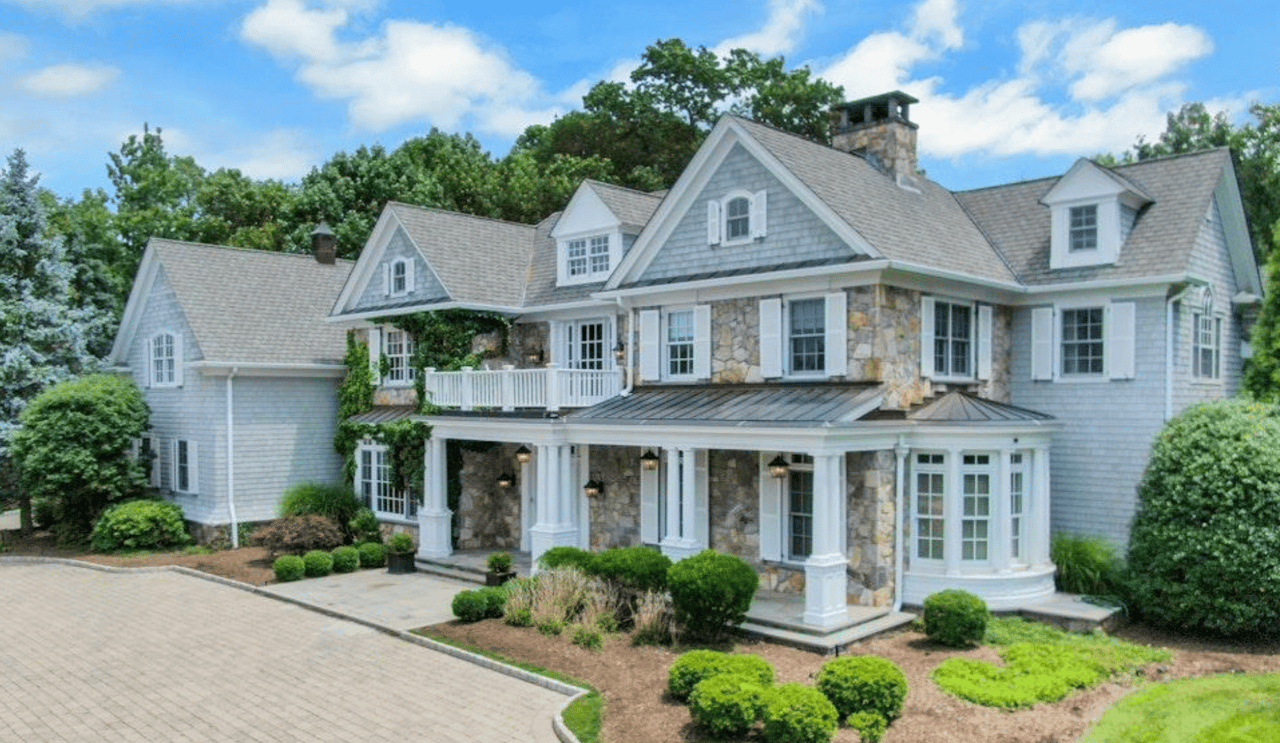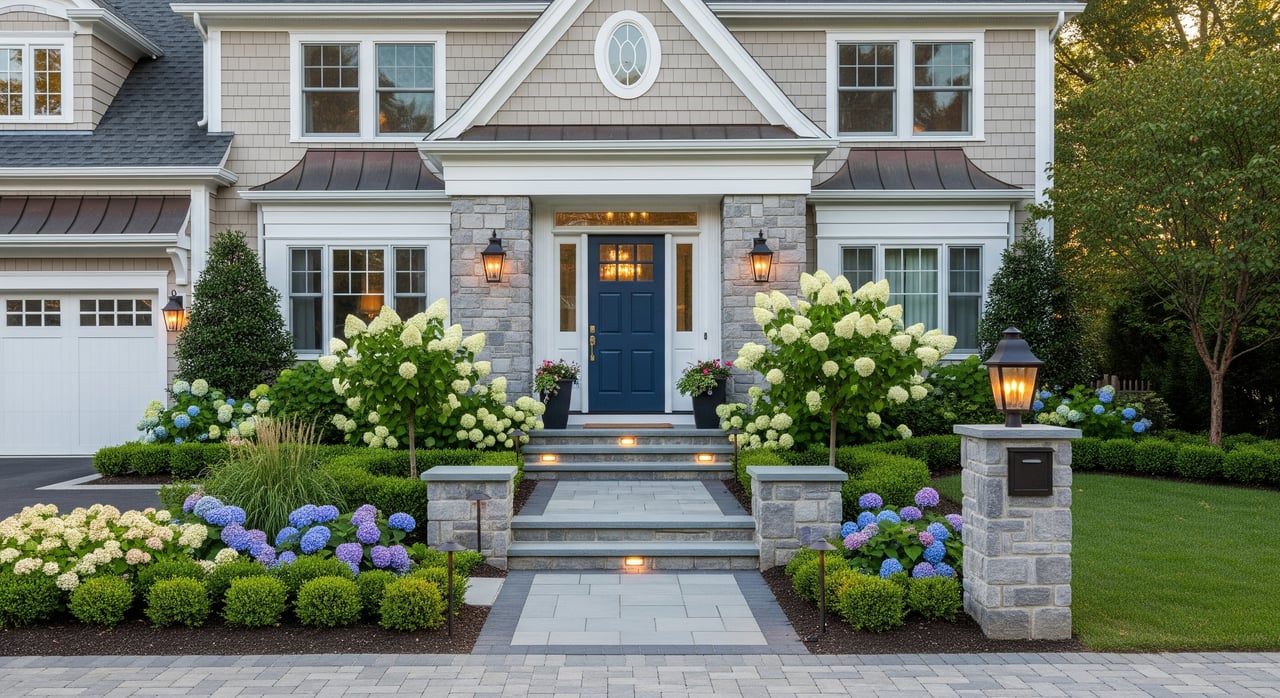
Want buyers to fall in love before they even open the door? In Middlesex County, small, smart upgrades create a big first impression without a full remodel. You want projects that fit our climate, follow local rules, and deliver real value when you sell. This guide gives you a step-by-step plan, local plant and material picks, and key permitting tips so you can upgrade with confidence. Let’s dive in.
Why curb appeal matters in Middlesex County
You live in a county of mostly suburban homes with front yards, short driveways, and visible entries. That means the biggest wins often come from focused, modest projects like door refreshes, lighting, and tidy landscaping. National research shows simple exterior improvements frequently outperform large, specialized projects on perceived value. Realtor.com’s analysis of landscaping ROI highlights how basic maintenance and upgrades often pay off.
Your climate and planting window
Middlesex County falls in USDA Hardiness Zones 7a to 7b, which guides what survives winter and when to plant. Early spring and late summer to early fall are ideal for most planting so roots establish before temperature extremes. Choose plants and materials that handle winter salt and summer heat.
Quick rules check before you dig
If your curb or driveway work affects a county road or curb cut, start with the Middlesex County road permit office. Many towns also regulate stormwater, grading, and tree work. As an example, see a municipal stormwater page like Middlesex Borough’s guide. Always review HOA or historic rules as well.
Key takeaway: A fast permit check now prevents costly delays later.
High-impact upgrades that pop
Refresh the front entry
Repaint or replace the front door, update the lockset and handle, add a fresh doormat, and flank the entry with seasonal planters. Consider a small awning or improved stoop if feasible. According to NAR’s staging findings, well-presented spaces help buyers connect and can reduce time on market.
Key takeaway: A bold, clean entry sets the tone for the entire showing.
Clean and repair the exterior
Power-wash siding, clean gutters, and remove mildew. Touch up trim, fix loose shutters, and clean windows and garage doors. A spotless exterior signals strong maintenance to buyers.
Key takeaway: Clean beats costly when it comes to first impressions.
Tidy landscaping that sells
Edge beds, refresh mulch, trim shrubs, and keep a clear, well-lit path to the front door. Focus on a few foundation plants for structure and add seasonal color near the entry. National studies show basic landscape care is a strong value driver compared with expensive outdoor additions.
Key takeaway: Neat, low-maintenance landscaping reads as move-in ready.
Lighting and house numbers
Install LED path lights, add porch or step lights, and use timers for evening showings. Upgrade house numbers for contrast and legibility. Match fixtures and door hardware for a cohesive look.
Key takeaway: Thoughtful lighting boosts both safety and style.
Driveways and walkways
Repair cracks, level trip hazards, and consider crisp paver or metal edging along walks. If runoff is a concern, look at permeable pavement options that let water infiltrate. Confirm local stormwater rules and siting before you commit.
Key takeaway: Safe, smooth surfaces signal quality and care.
Stage a simple seating moment
A small bistro set or swing suggests everyday outdoor living, even on compact stoops. Keep decor minimal so the space feels larger. Staged outdoor areas often photograph better and support buyer visualization.
Key takeaway: A tidy seat says “welcome home.”
Mailbox and small details
Replace or repaint the mailbox and post, tighten railings, and refresh porch lights. Align finishes with your door hardware for a polished feel.
Key takeaway: Small details add up to a premium look.
Plant picks that thrive in Middlesex County
Go native for low maintenance
Native plants tend to establish well, support pollinators, and need less fertilizer. Rutgers offers practical guidance in its overview on incorporating native plants, and the Native Plant Society maintains county-focused plant lists. Use a mix of compact shrubs, native perennials, and ornamental grasses for long-season interest.
Plan for winter salt
Deicers can burn leaves and roots near roads and driveways. Place sensitive plants out of the spray zone and select salt-tolerant species where needed. Rutgers explains salt injury, placement, and mitigation in its salt impact guidance.
Create year-round structure
Blend evergreens for winter structure with perennials for spring and summer color, plus a specimen tree for seasonal bloom or fall foliage. Keep beds mulched and edged so the front stays neat in every season.
Key takeaway: Choose plants for survival first, then layer color and texture.
Permits and stormwater checklist
- County work near a curb or county road. Contact the Middlesex County Office of Public Works for right-of-way or curb-cut permits.
- Municipal stormwater or grading. Review your town’s requirements, like this example stormwater resource page. Confirm if driveway replacements or major hardscapes trigger reviews.
- HOA or historic rules. Verify allowable colors, fixtures, fencing, and mailbox styles before you buy materials.
Key takeaway: A 10-minute call can save you weeks of rework.
Your quick curb appeal plan
Immediate, low cost
- Power-wash, clean windows and gutters, edge beds, and add fresh mulch.
- Paint the front door and update hardware, house numbers, and mailbox.
- Add simple planters and evening-ready lighting.
- Goal: Fast, high-impact refresh that photographs beautifully.
Short term, moderate cost
- Professional landscape cleanup and targeted foundation plant replacements.
- New porch or path lighting and defined walkway edging.
- Driveway crack repair or resurface where needed.
- Goal: Strong first impression with manageable maintenance.
Major projects
- Full driveway replacement or new walkways, possibly with permeable paving if site-appropriate.
- Larger hardscapes or covered entries. Always verify permits first.
- Goal: Solve safety and drainage, then elevate design.
Local resources to tap
- Rutgers Master Gardeners of Middlesex County. Get local, research-based advice and plant help from the county’s program at the EARTH Center. Start here: Middlesex County Master Gardeners.
- Native plant guidance. Rutgers’ native plant overview and the Native Plant Society’s county lists help you choose plants that thrive.
Ready to maximize your first impression and position your home for top offers? Let’s build a tailored pre-list plan that fits your timeline and budget. Reach out to Daniel Chamoun, Realtor for a consult.
FAQs
Will landscaping pay for itself when I sell?
- National research shows basic landscape care and tidy, well-planned upgrades often deliver strong perceived value compared with high-cost outdoor features.
When should I start curb appeal work before listing?
- In Zone 7a to 7b, early spring or late summer to early fall are optimal for planting, while cleaning, painting, and lighting can be timed just before photos.
Do I need a permit to change my driveway or curb?
- If work affects a county road or curb cut, contact the county permit office first, and check your town’s stormwater and grading rules.
Are permeable pavers practical in Middlesex County?
- Yes, when sited and maintained correctly, permeable paving can reduce runoff, but confirm local rules and contractor expertise.
How do I protect plants from winter salt?
- Place sensitive plants outside the spray zone, choose salt-tolerant species near driveways and roads, and follow Rutgers guidance on salt injury and mitigation.