If you live in Middlesex County and work in New York City, your commute shapes your weekdays and your housing decisions. Maybe you want a faster rail ride, less time in traffic, or a smarter monthly budget. You are not alone, and the good news is you have solid options.
In this guide, you will learn the best routes into Manhattan, typical travel times, how to estimate costs, and practical tips that make daily trips smoother. You will also see how commute choices can influence where you buy or sell. Let’s dive in.
Best ways to commute
NJ Transit rail
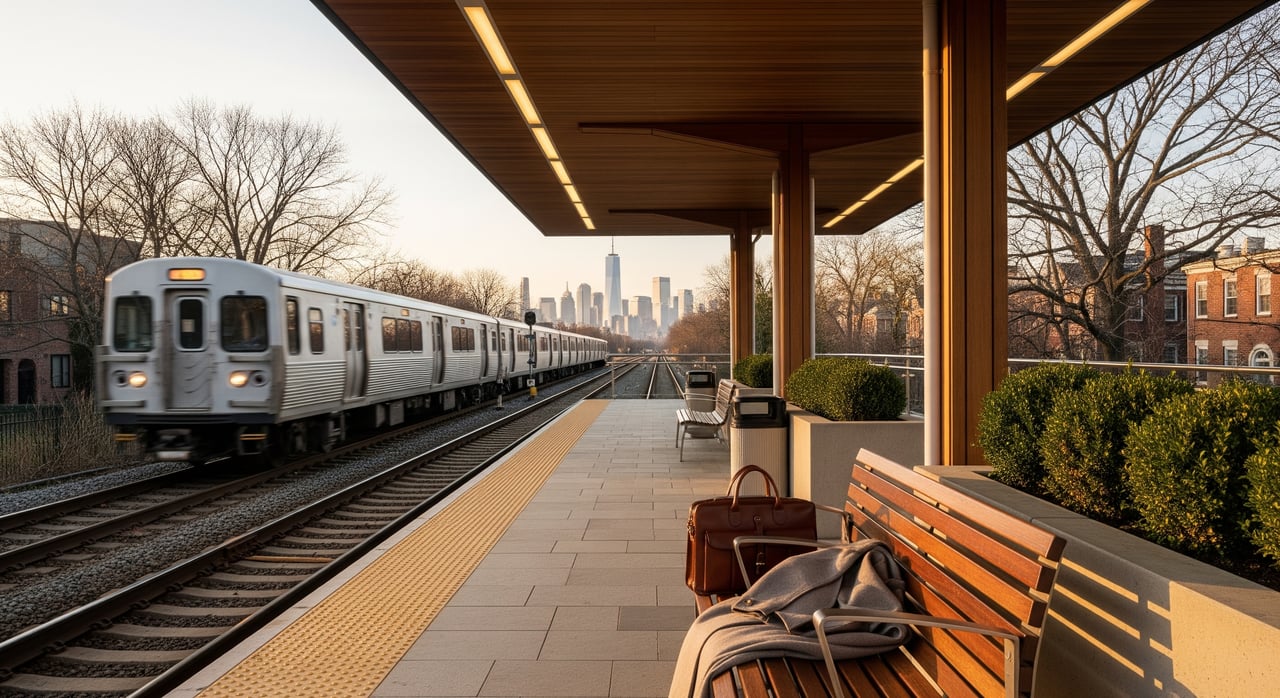
NJ Transit rail is the backbone for many Middlesex commuters. The Northeast Corridor (NEC) serves Metropark (Iselin), New Brunswick, Edison, and Metuchen with frequent peak service and a mix of express and local trains. Metropark is a major hub and often offers the fastest rides into Manhattan Penn Station because more express trains stop there.
The North Jersey Coast Line serves Perth Amboy and South Amboy. Depending on the schedule and time of day, some trains run through to New York Penn Station while others require a transfer at a hub station. If you travel occasionally and value flexibility, limited Amtrak service at Metropark is another option at a higher fare.
Commuter bus
NJ Transit and some private operators run commuter buses from select Middlesex park-and-ride lots and municipal hubs to the Port Authority Bus Terminal. Bus service can be convenient if you live closer to a bus corridor or prefer a one-seat ride to Midtown. Keep in mind that highway traffic can add variability during peak hours.
Driving
Driving gives you door-to-door control. Typical routes include the New Jersey Turnpike, Garden State Parkway, and Route 1/9, with final approaches through the Lincoln Tunnel, Holland Tunnel, or George Washington Bridge depending on your destination. Consider tolls, congestion, and Manhattan parking costs when comparing driving to transit.
Ferries and PATH via Hudson hubs
Middlesex does not have direct frequent ferry service to Manhattan. Some commuters drive or take NJ Transit to Hudson County hubs such as Hoboken or Weehawken, then transfer to PATH or ferries. This can reduce Manhattan driving and parking but adds transfers, so time your connections.
Multimodal and last mile
Many residents combine modes: bike-to-station, rideshare to Metropark, or a municipal shuttle to New Brunswick. Larger stations often have bike racks, rideshare zones, and local bus connections. If you plan to park, arrive early or secure a monthly permit where available.
Travel time: what to expect
Why origin matters
Middlesex County is spread out, so your time to Manhattan depends on your town and station. Homes near NEC stations like Metropark, New Brunswick, Edison, and Metuchen tend to have shorter and more frequent rail options. Southern and eastern areas served by the North Jersey Coast Line often have longer rides or transfers.
Typical door-to-door ranges
- Rail: about 30 to 75 minutes, depending on station, express vs local, and transfers. Metropark and select NEC express trains are near the faster end. Many Coast Line trips take longer.
- Bus: typically 45 to 90+ minutes. Expect higher variability due to highway congestion.
- Driving: under ideal conditions, roughly 45 to 60 minutes from central Middlesex, but peak traffic often stretches this. Major incidents can cause multi-hour delays.
- Multimodal to PATH or ferries: can compete with direct driving and may reduce Manhattan congestion, but transfers add coordination time.
Reliability factors
Rail is generally more predictable, though delays can occur due to incidents or track work, especially on weekends. Bus and driving are more exposed to traffic, weather, and accidents. If you commute on weekends or off-peak, check reduced schedules and plan extra time.
Commute costs: how to budget
What to include
Your monthly commute cost usually includes:
- Transit fares: NJ Transit one-ways, ten-trip, or monthly passes. Monthly passes often save money for daily riders.
- Driving costs: tolls, fuel, per-mile vehicle costs, and Manhattan or station parking.
- Parking and last mile: station permits, daily lot fees, rideshare, or shuttle costs.
A simple 4-step estimate
- Step 1: Decide your number of commute days per month and whether you will use a monthly pass.
- Step 2: Add up base transit fares for those days or compare to a monthly pass price. For driving, total tolls, fuel, and per-mile operating costs.
- Step 3: Include station parking, permits, and any Manhattan parking fees.
- Step 4: Compare the monthly transit total to the driving total to see which fits your budget and schedule.
Tip: If your employer offers commuter benefits or your schedule includes partial remote work, your effective monthly costs can drop.
Parking and last-mile tips
- Metropark and New Brunswick have larger parking facilities and intermodal access. Many station lots fill early on weekdays.
- Check if your target station uses a permit system or offers monthly parking. Join waitlists early if needed.
- If biking to a station, confirm the availability of bike racks or secure storage.
- Use agency apps and alerts for real-time updates, platform changes, and planned track work. Weekend headways are often longer.
Housing choices and commute tradeoffs
Living near an NEC station with express service usually means a quicker, more predictable commute and higher demand for nearby homes. That convenience can command a price premium. Homes farther from rail lines may offer more space or a lower purchase price, but daily travel time and cost often rise.
Consider what matters most to you:
- Is a shorter commute worth paying more to live close to a station?
- Would you trade extra time for a larger home or yard farther from transit?
- How many days will you commute each week, and at what times?
Your answers can help you focus your home search on the right neighborhoods and station areas.
Plan a smarter trial commute
Before you commit to a home or a routine, test your likely route during your actual commute hours in both directions. Include time for parking, walking, transfers, and platform waits. Track both best-case and typical days so you understand the range. Small adjustments to departure time can save a lot of minutes during peak periods.
Quick checklist for movers
- Identify nearby stations and compare express vs local patterns.
- Time a door-to-door trial trip, including transfers and walking.
- Confirm station parking availability, costs, and permit rules.
- Compare NJ Transit monthly pass vs driving totals, including parking and tolls.
- Review weekend and off-peak schedules if you need flexibility.
- Check accessibility features at your station if mobility is a concern.
- Follow agency alerts for planned service changes or track work.
When each mode makes sense
- Choose rail if you want predictable times and a one-seat ride from NEC stations like Metropark, New Brunswick, Edison, or Metuchen.
- Choose bus if you live near a strong bus corridor or a convenient park-and-ride to Port Authority.
- Choose driving if your schedule is irregular or you need door-to-door access, and you are comfortable with tolls, parking, and traffic variability.
- Choose multimodal if you prefer to avoid Manhattan parking by connecting to PATH or ferries at Hudson waterfront hubs.
Your next step
A well-planned commute can unlock the right home and the right daily rhythm. If you want help weighing neighborhoods near the NEC, comparing station access, or understanding how commute time affects resale, reach out to Daniel Chamoun, Realtor for local guidance tailored to your goals.
FAQs
How long is the rail commute from Metropark to Midtown?
- Many peak-hour trips from Metropark to Manhattan fall near the lower end of the 30 to 75 minute door-to-door range, especially on express trains.
Which Middlesex towns offer the fastest NYC rail access?
- Towns on the Northeast Corridor with stations at Metropark, New Brunswick, Edison, and Metuchen typically offer the most frequent and faster options.
Is daily driving into Manhattan practical from Middlesex County?
- It is feasible but less predictable and can be costly due to tolls, parking, and congestion; many commuters prefer rail or bus for consistency.
What costs should I budget for a monthly commute?
- Include transit fares or a monthly pass, tolls, fuel, vehicle operating costs, station or Manhattan parking, and last-mile rideshare or shuttle fees.
Are there good park-and-ride options in Middlesex County?
- Yes. Major stations like Metropark and New Brunswick have larger facilities, but capacity varies and lots can fill early; permits may be required.
Should I buy near a train station or farther out to save?
- Living near a station can reduce commute time and add convenience but may cost more. Farther-out homes can be more affordable with longer daily travel.