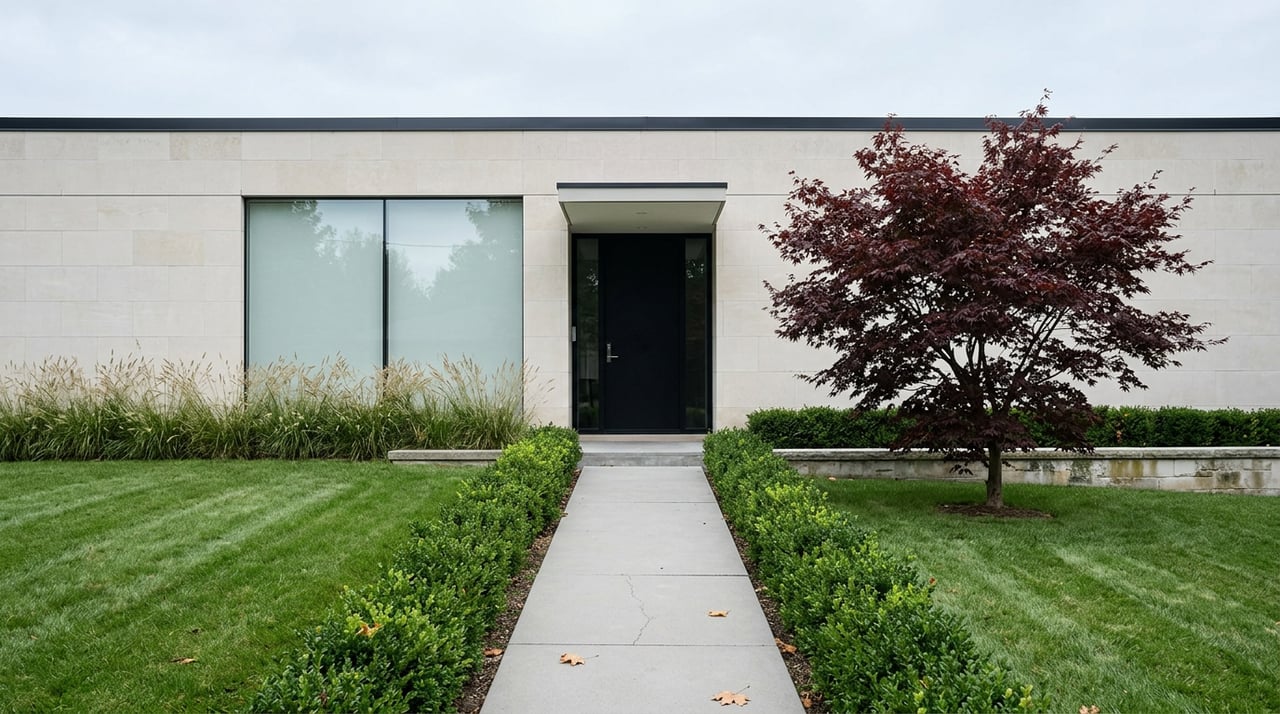
Thinking about a condo or a townhome in Hudson County, but not sure which fits your life better? You are not alone. The choices stretch from amenity-rich high-rises on the waterfront to multilevel townhomes with private garages across neighborhoods like Hoboken, Jersey City, Bayonne, and Weehawken. In this guide, you will learn the key differences in ownership, costs, financing, lifestyle, and local risk factors so you can choose with confidence. Let’s dive in.
What you actually own
Condo basics
In a typical New Jersey condominium, you own the interior of your defined unit and share an undivided interest in the building’s common elements. That often means the association oversees the roof, exterior, elevators, and building systems, while you handle your interior systems and finishes. Rules, budgets, and responsibilities are laid out in the declaration, bylaws, and association rules.
Key implications for you:
- Monthly assessments fund insurance, maintenance, and reserves for future repairs.
- Rules can address pets, rentals, and short-term stays.
- The definition of what is a “unit” versus a “common element” determines who pays for things like windows and balconies.
Townhome basics
In Hudson County, townhomes vary. Many are fee-simple, where you own the structure and the land beneath it. Others are part of a condo-type association, sometimes called a “townhome condominium.” Your responsibilities depend on the legal structure.
Key implications for you:
- Fee-simple townhomes often mean more control over exterior updates, but you also take on more upkeep.
- If there is an HOA, dues may cover shared landscaping, snow removal, and private roads.
- Always confirm what the HOA covers versus what you cover, especially for roofs, siding, and exterior insurance.
The label can mislead
Do not rely on listing labels alone. A property called a “townhome” could still be a condominium legally. To know exactly what you own and maintain, read the deed and the association documents during your attorney review period.
Monthly costs and taxes in Hudson County
HOA dues and what they cover
- Condos: Dues usually include building insurance, exterior and common-area maintenance, management, and amenities. In some buildings, utilities like heat or water are included.
- Townhomes: If an HOA exists, dues may be lower and focus on shared areas. If no HOA, you budget for your own exterior maintenance, roof, and landscaping.
Remember, lenders count HOA dues in your monthly obligations. Higher dues can affect your loan qualification.
Property taxes
Property taxes are a major part of your monthly payment in New Jersey. Rates and assessments vary by municipality within Hudson County, so review the local tax assessor’s data for any property you are considering. For state tax information, explore the NJ Division of Taxation. Federal SALT deduction limits may apply; speak with a tax professional for guidance.
Insurance differences
- Condo: You typically carry an HO-6 policy that covers interior improvements, personal property, and liability. The condo’s master policy covers the structure and common elements. Confirm the master policy type and deductibles.
- Townhome: If you are fee-simple, your policy often must cover the exterior, roof, and liability on the land. If an HOA is involved, verify what the master policy covers and what remains your responsibility.
Financing and approvals
Condos and project approvals
Some lenders, and certain loan programs, require a condo building to meet specific standards. The building’s rental percentage, reserve funding, commercial component, or pending litigation can affect your ability to finance.
- If you plan to use FHA financing, check the FHA condominium approval list for the project’s status.
- VA financing also has project-level requirements. Talk with a lender who understands local condo approvals.
Townhomes and underwriting
Fee-simple townhomes often underwrite like single-family homes with fewer project-level hurdles. If a townhome is legally a condominium, some of the same condo rules may still apply. Either way, have your lender review HOA documents early to avoid surprises.
Space, privacy, and amenities
Layout and feel
- Townhomes: Multilevel living, private entrances, and often private outdoor space. You get a more house-like feel with more autonomy.
- Condos: Single-level living, elevators, and shared corridors. Many newer Hudson County condos deliver open plans and modern finishes.
Amenities and services
- Condos: Doorman, fitness centers, rooftop lounges, package rooms, and on-site management are common in waterfront and downtown buildings in Jersey City and Hoboken. These services boost convenience and can support long-term value.
- Townhomes: Private garages and yards are common. Shared amenities are fewer unless it is a managed HOA.
Your ideal match depends on how you live day-to-day. If you value low-maintenance living and building services, a condo might fit. If you prefer space and autonomy, a townhome can be a better match.
Parking, storage, and commuting
Parking is a meaningful factor in Hudson County. Many townhomes come with a driveway or garage, while some condo buildings offer assigned garage spots or limited on-site parking. If you commute, proximity to PATH, ferries, or major bus lines in places like Journal Square, Exchange Place, downtown Hoboken, and the Heights can outweigh parking concerns. Always verify parking rights or fees and consider your daily commute when comparing options.
Flood risk and insurance considerations
Low-lying areas along the waterfront in Hoboken and parts of Jersey City can sit in FEMA-designated flood zones. Your lender may require flood insurance if the property is in a flood hazard area.
What to do:
- Check the FEMA Flood Insurance Rate Maps for the property’s designation.
- Ask for elevation certificates and confirm whether mechanical systems are elevated.
- Review building or HOA plans for flood mitigation, such as pumps, flood vents, or backflow preventers.
- Obtain flood insurance quotes during attorney review so you understand total cost of ownership.
Neighborhood patterns in Hudson County
- Jersey City: Waterfront and downtown areas emphasize high-rise condos with amenities and quick access to PATH and ferries. Journal Square and the Heights feature more townhouses and multi-family options alongside newer condo developments.
- Hoboken: Dense mix of brownstones, historic townhouses, and mid to high-rise condos. Townhomes command premiums in many blocks, while condos offer a range of sizes and amenities.
- Bayonne, Union City, West New York, North Bergen: More townhome and single-family pockets, with select condo buildings. Lifestyle varies by block and transit access.
- Weehawken waterfront and West Hoboken: High-rise condos with skyline views, plus a few townhome clusters.
- Secaucus: More suburban-feel townhome communities and single-family neighborhoods, with strong highway access.
Your choice often comes down to the tradeoff between space and autonomy versus amenities and full-service convenience, plus your commute pattern.
Due diligence checklist
When you find a property you like, review the right documents and conditions early. This avoids financing roadblocks and surprise costs.
Association documents to request
- Master Deed or Declaration, bylaws, and rules
- Current budget and most recent financials
- Reserve study and reserve account balance
- Minutes of board meetings for at least the past 12 to 24 months
- Insurance certificates and coverages
- Special assessments disclosed or planned capital projects
- Litigation disclosures affecting the association or developer
- Rental policy, pet policy, parking assignments and guest rules
- Unit ledger for dues and any delinquencies
- Management company contact details
Physical and inspection items
- Full home inspection of interiors and, for townhomes, roof, exterior, and foundation
- For condos, evaluate the exterior envelope, elevators, heating and cooling systems, and common areas
- Verify flood zone status and obtain elevation certificates if applicable
- Review the history of capital projects and how they were funded
Red flags worth a closer look
- Low or no reserves in the association
- Recent or upcoming special assessments without a clear funding plan
- High owner delinquency rates on HOA dues
- Ongoing litigation involving the association or developer
- Buildings with a high percentage of rentals or significant commercial space that could limit certain financing
- Not FHA or VA approved if you need that financing
- Evidence of water infiltration or facade issues in minutes or inspection reports
Local professionals to engage
- A real estate agent experienced with Hudson County condos and townhomes
- A New Jersey real estate attorney familiar with condominium law and municipal practices
- A home inspector who understands multi-unit and attached properties
- A mortgage lender versed in condo project approvals and HOA underwriting
- A title company experienced with HOA liens and local tax procedures
- An insurance agent who can quote HO-6, full townhome coverage, and flood policies
Which one fits your goals
Choose a condo if you want convenience, amenities, and limited exterior maintenance. It is a strong fit if you value single-level living, building services, and a downtown lifestyle near transit. Just make sure the building’s finances and rules align with your plans, especially if you are considering rental flexibility or need FHA or VA financing.
Choose a townhome if you want more space, direct access, private garage or yard, and greater control over your property. It can feel more like a single-family home while still keeping you close to urban amenities. Balance that with the responsibility for exterior upkeep and insurance if you are fee-simple.
In Hudson County, the right answer often comes down to how you live and commute, your tolerance for maintenance, and the specifics of the building or HOA. With the right due diligence and local guidance, you can enjoy the best of both worlds: access to Manhattan and a home that truly fits your life.
Ready to compare your options
If you are weighing condos versus townhomes across Hudson County neighborhoods, a focused plan can save time and money. We can walk you through the documents, flag financing hurdles early, and tailor tours around your commute, parking, and lifestyle needs. When you are ready, connect with Daniel Chamoun, Realtor to map your next step and see on- and off-market opportunities.
FAQs
What is the main difference between condos and townhomes in Hudson County?
- Condos typically include ownership of the unit interior plus shared common elements, while townhomes may be fee-simple with exterior and land responsibility or organized under a condo regime, so always verify the legal structure.
How do HOA dues compare between condos and townhomes?
- Condo dues tend to be higher because they fund building insurance, exterior maintenance, and amenities; townhome dues may be lower if they cover only shared areas, but fee-simple owners budget for their own exterior upkeep.
Can I use FHA or VA financing for a Hudson County condo?
- Possibly, but many condos require project approval; check the FHA condominium approval list and speak with a lender about VA requirements before you make an offer.
How does flood risk affect homes in Hoboken and Jersey City waterfront areas?
- Some low-lying sections are in FEMA flood zones; lenders may require flood insurance, so review the FEMA Flood Insurance Rate Maps and obtain quotes during attorney review.
What documents should I review before buying into an HOA?
- Ask for the declaration or master deed, bylaws, rules, budget and financials, reserve study, meeting minutes, insurance certificates, special assessments, litigation disclosures, and parking and rental policies.